Control of population spiking activity in prefrontal cortex using microstimulation
Sep
14
2026
Sep
14
2026
Description
Dr. Luca Mazzucato is an associate professor of Biology, Mathematics and Physics at the University of Oregon.
Closed-loop control of cortical activity is a central goal in systems neuroscience and clinical neuromodulation, but most approaches either rely on detailed circuit models that are unattainable in vivo or on open-loop stimulation tuned by trial and error. Here we introduce REACHable manifold Control (REACH-Ctrl), a data-driven brain–computer interface that achieves real-time control of population spiking activity using patterned microstimulation and multi-electrode recordings. REACH-Ctrl learns a finite-horizon controllability map directly from short training epochs in which random multi-electrode pulse sequences are delivered through a subset of electrodes while recording evoked responses. From these input-output data, it identifies the “reachable manifold” of population states and computes low-current microstimulation sequences that steer activity toward designated targets, without explicit knowledge of the underlying connectivity or dynamics. We validate REACH-Ctrl in recurrent network models and test it in macaque prefrontal cortex, demonstrating high control accuracy, robust across sessions and stimulation parameters. Geometric analyses showed that multi-pulse sequences traverse a well-defined reachable manifold with substantial, but incomplete, overlap with the intrinsic neural activity manifold, revealing both on- and off-manifold components of control. Encoding models further revealed that, in our weak-stimulation regime, population responses to multi-electrode sequences are well approximated by the linear sum of localized “stimulation fields” explaining the success of our linear control approach. These results demonstrate precise, sample-efficient control of cortical population activity with clinically relevant microstimulation hardware, and provide a general blueprint for designing perturbations for sparsely observed neural circuits.
Hosted by Dr. Thibaud Taillefumier
To subscribe to our Seminars Series mailing list, please visit https://utlists.utexas.edu/sympa/info/neu-seminars and click on "Subscribe" in the left-hand column.
Please contact Neuro.Seminar.Series@austin.utexas.edu with any questions.
Other Events in This Series
Sep
21
2026
From bench to bedside: mechanisms of long-term memory inform the development of novel treatments for neurodevelopmental disorders and neurodegenerative diseases
2026-27 Neuroscience Seminar Series
3:00 pm – 4:00 pm • In Person
Speaker(s): Christina Alberini - New York University
Sep
28
2026
Somatodendritic neuropeptide release potentiates GABAergic synapses in the VTA
2026-27 Neuroscience Seminar Series
3:00 pm – 4:00 pm • In Person
Speaker(s): Julie Kauer - Stanford University
Nov
2
2026
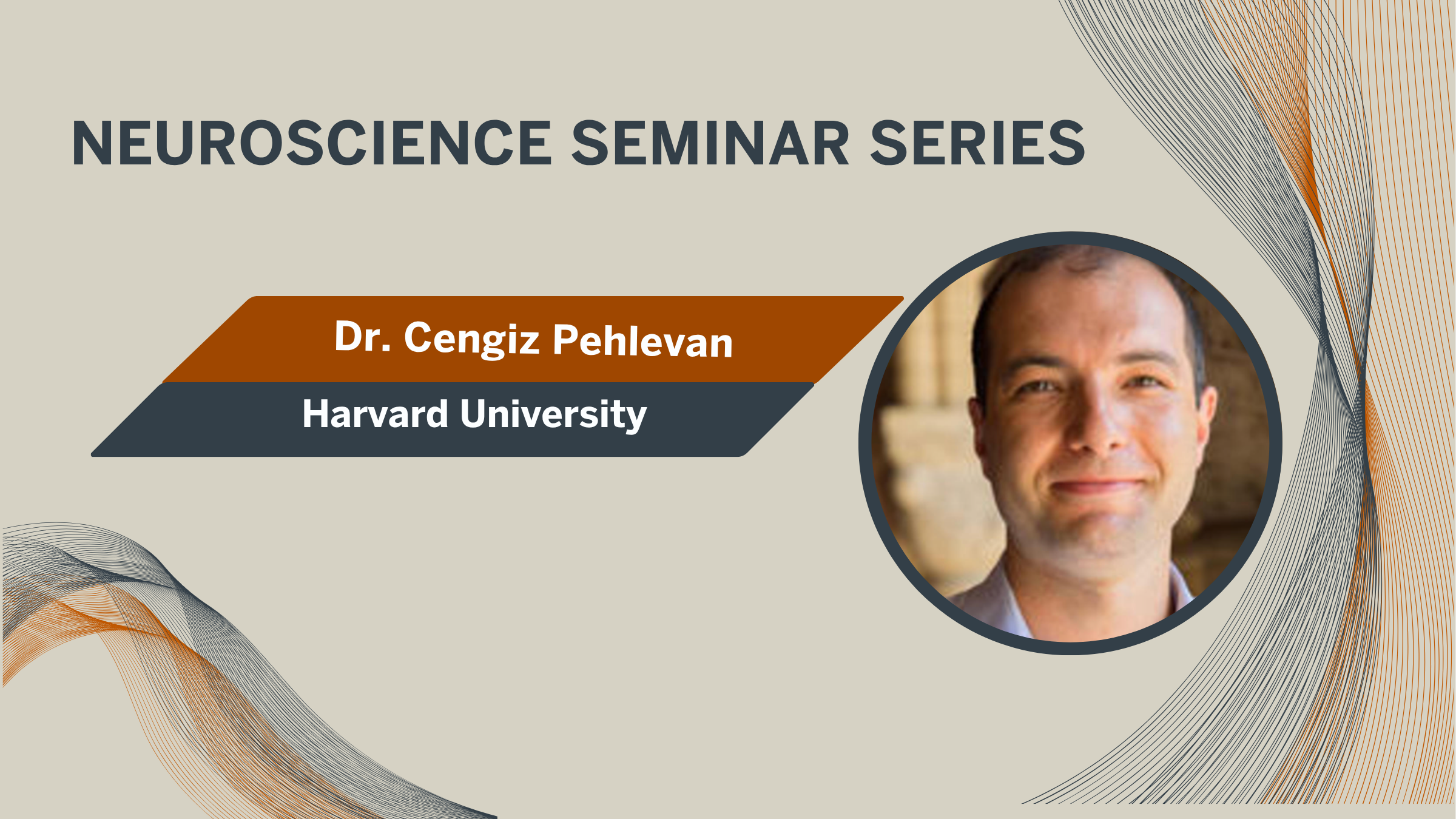
Cengiz Pehlevan - Title TBA
2026-27 Neuroscience Seminar Series
3:00 pm – 4:00 pm • In Person
Speaker(s): Cengiz Pehlevan - Harvard University
Nov
9
2026
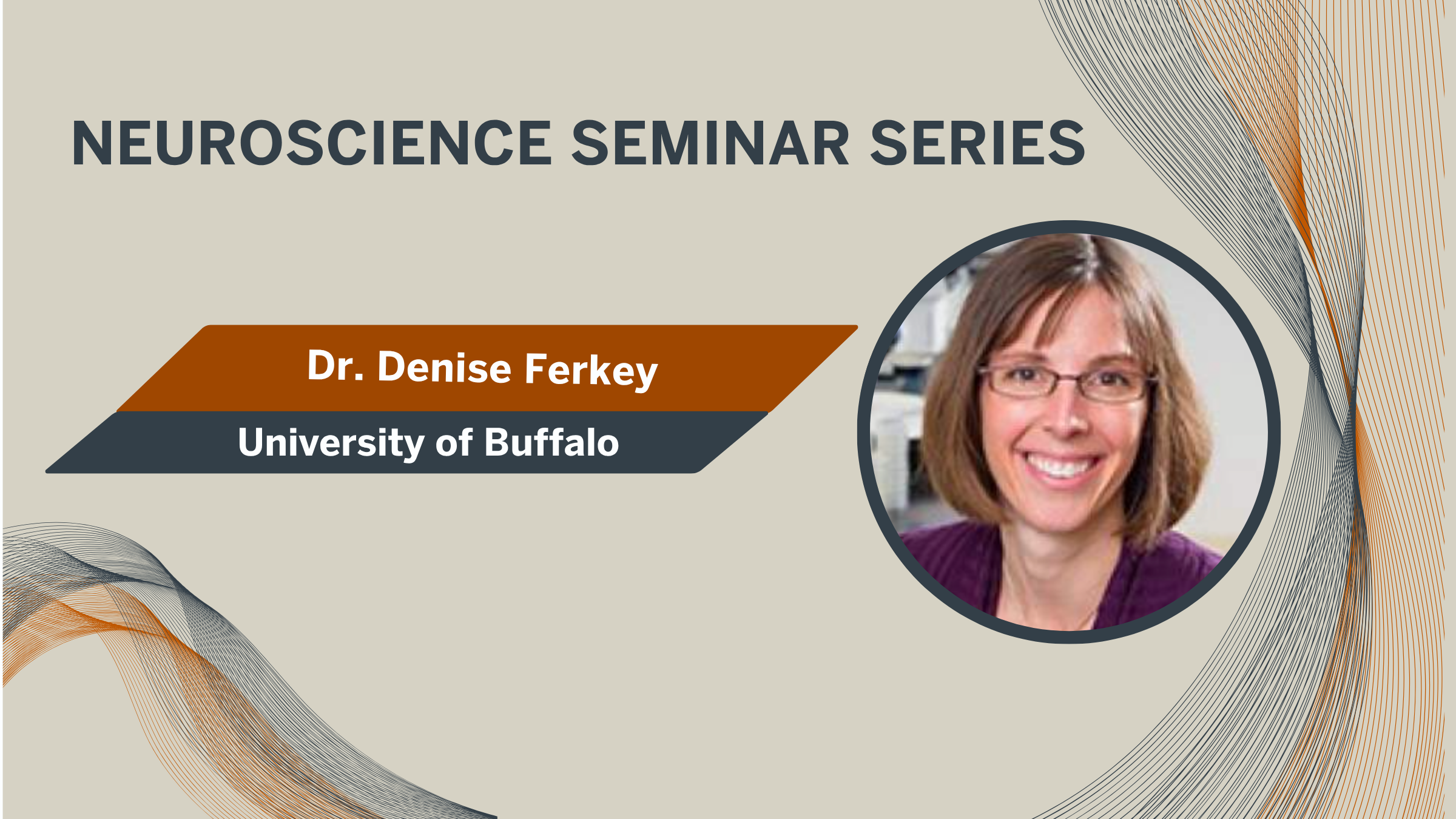
Scents and Sense-ability
2026-27 Neuroscience Seminar Series
3:00 pm – 4:00 pm • In Person
Speaker(s): Denise Ferkey - University of Buffalo
Dec
7
2026
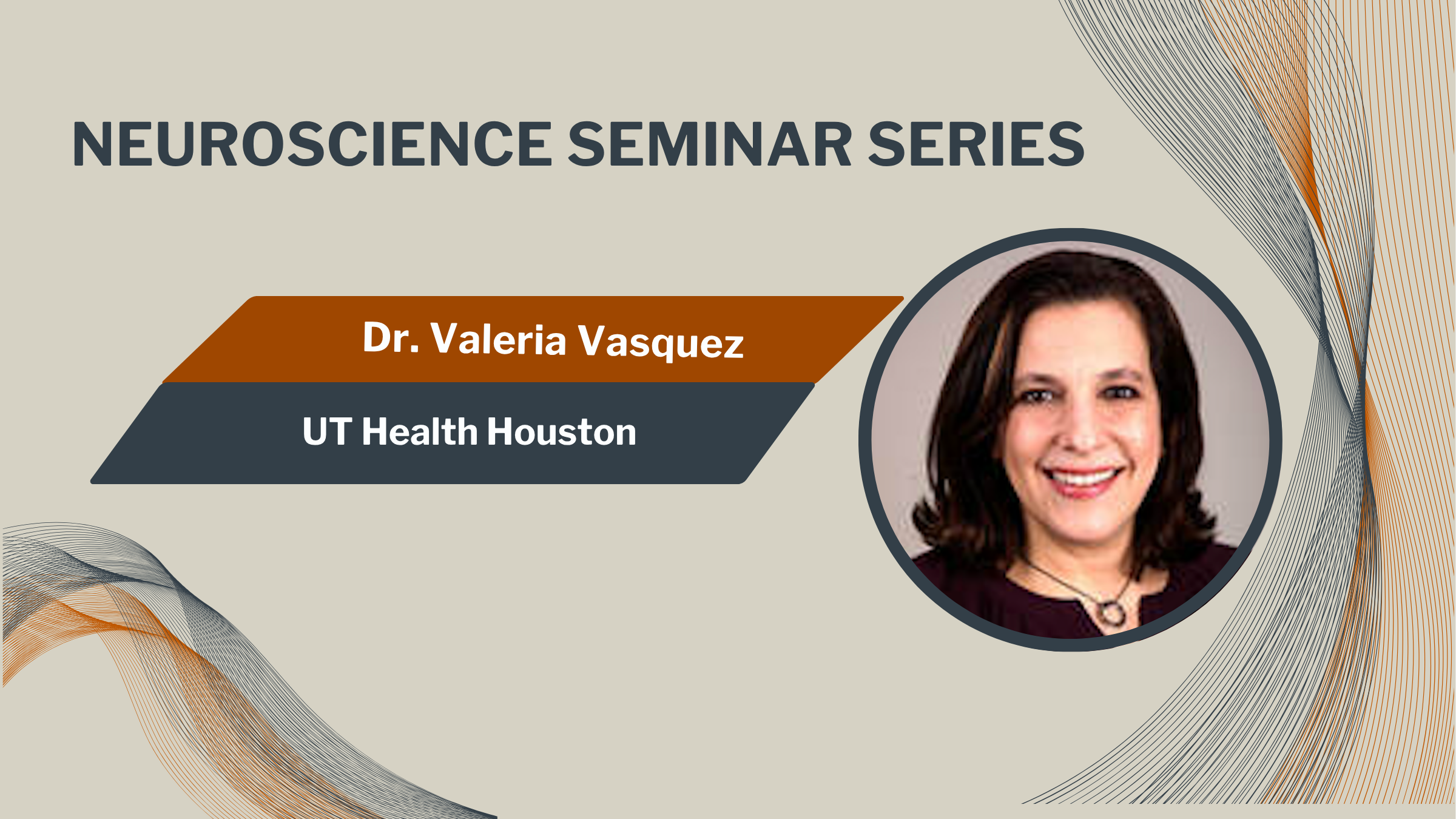
Valeria Vasquez - Title TBA
2026-27 Neuroscience Seminar Series
3:00 pm – 4:00 pm • In Person
Speaker(s): Valeria Vasquez - UTHSC at Houston
Jan
11
2027
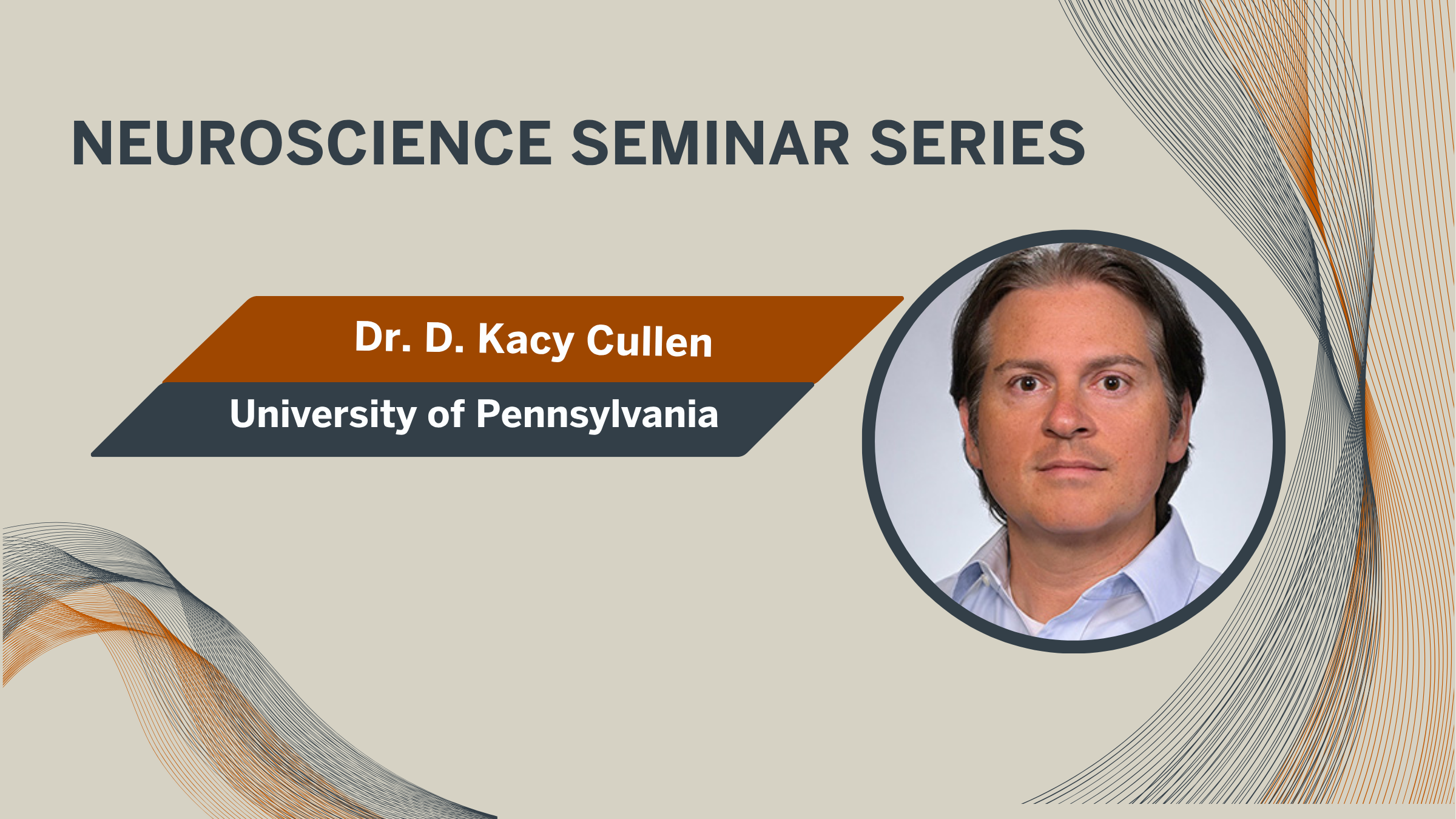
D. Kacy Cullen - Title TBA
2026-27 Neuroscience Seminar Series
3:00 pm – 4:00 pm • In Person
Speaker(s): D. Kacy Cullen - University of Pennsylvania
Jan
25
2027
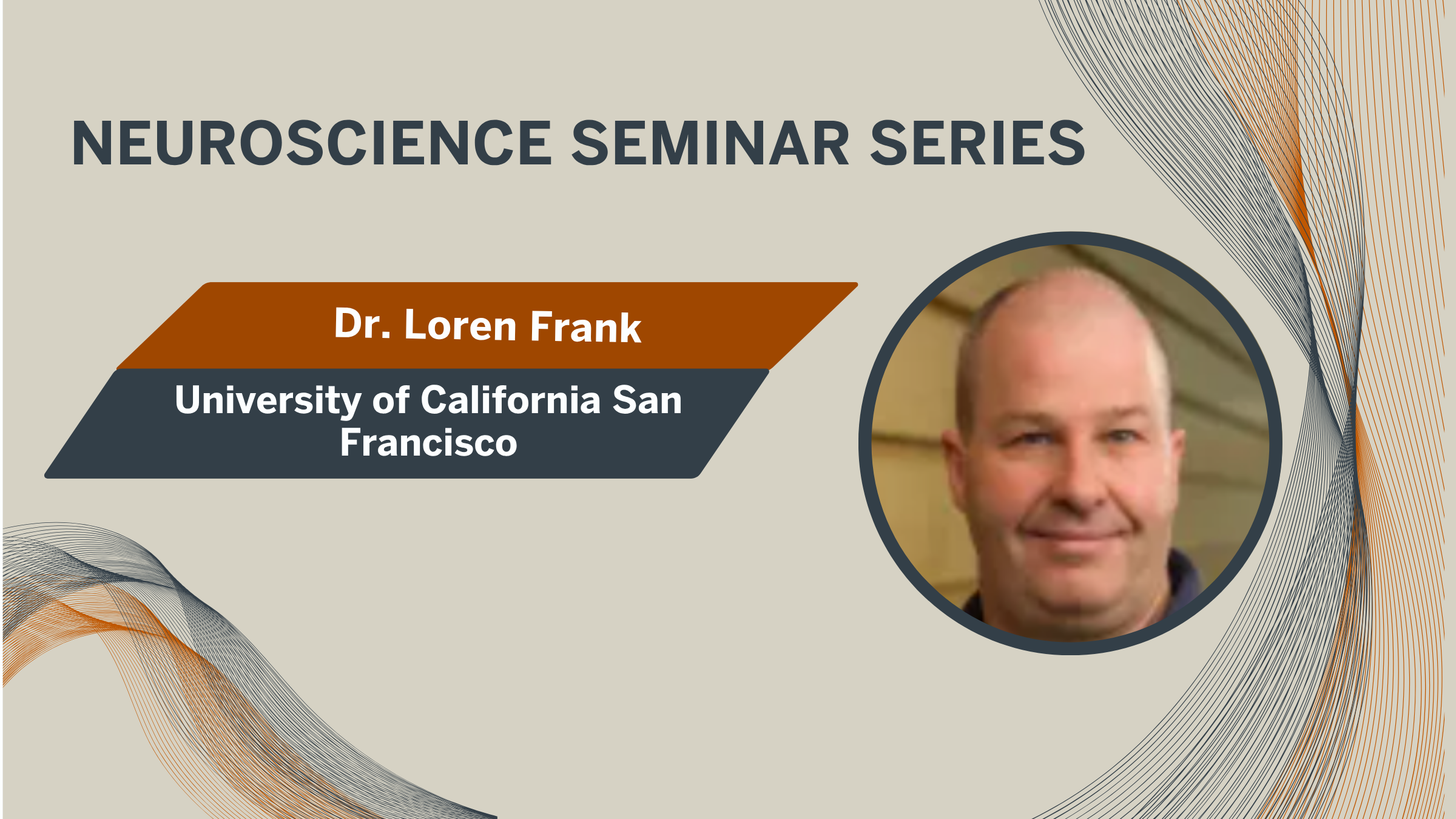
Loren Frank - Title TBA
2026-27 Neuroscience Seminar Series
3:00 pm – 4:00 pm • In Person
Speaker(s): Loren Frank - UCSF
Feb
8
2027
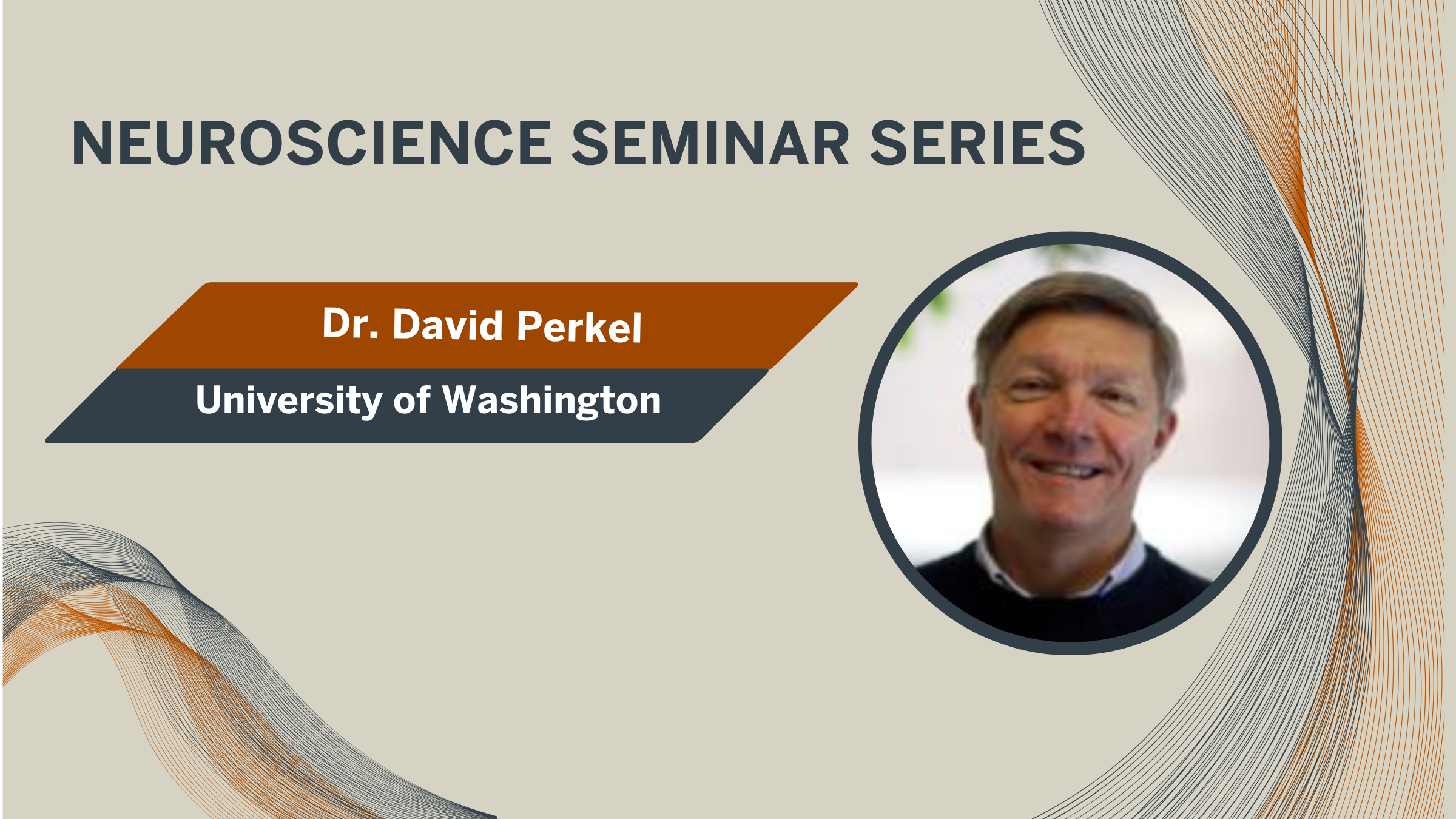
David Perkel - Title TBA
2026-27 Neuroscience Seminar Series
3:00 pm – 4:00 pm • In Person
Speaker(s): David J. Perkel - University of Washington
Feb
22
2027
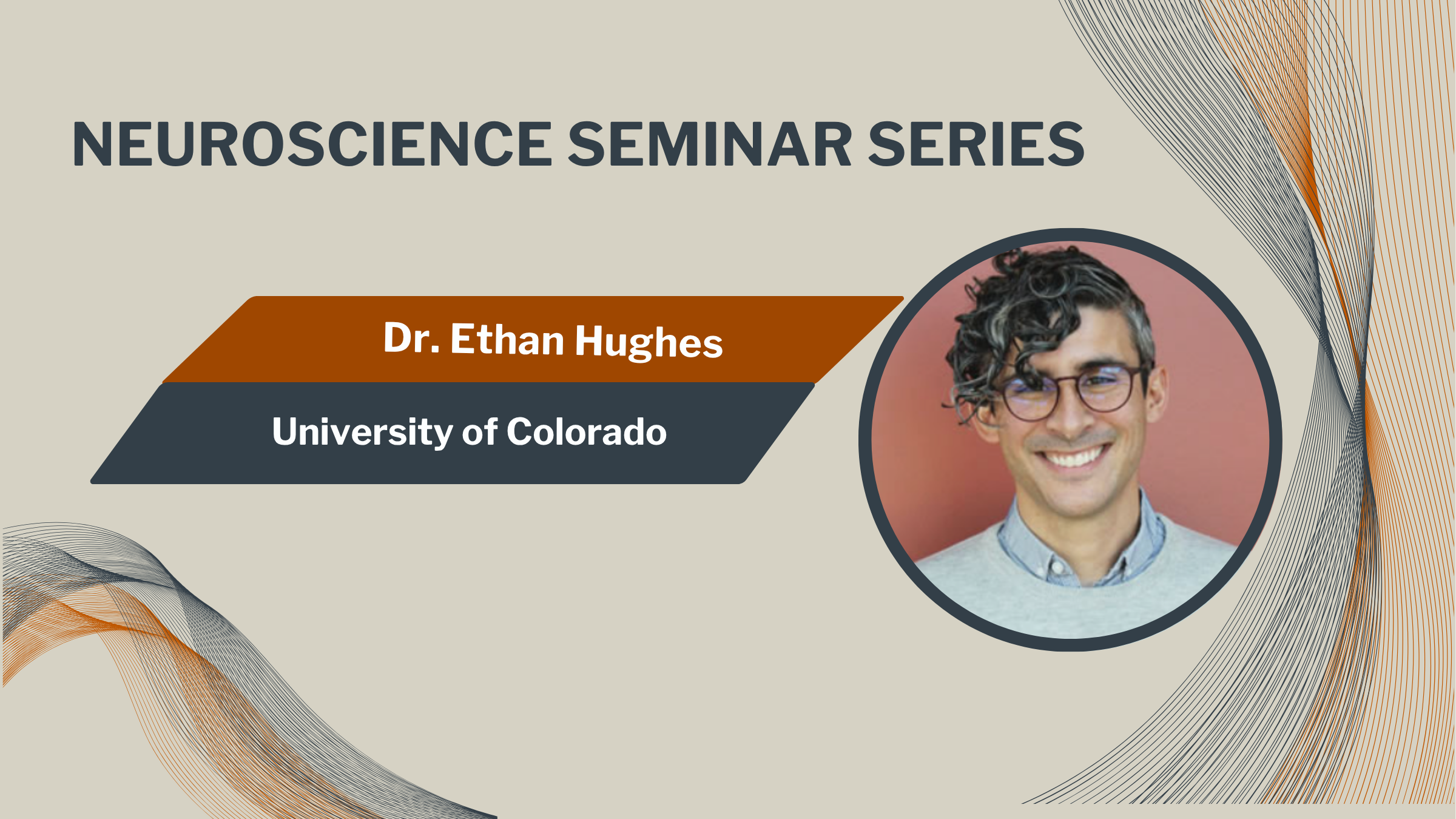
Ethan Hughes - Title TBA
2026-27 Neuroscience Seminar Series
3:00 pm – 4:00 pm • In Person
Speaker(s): Ethan Hughes - University of Colorado
Mar
1
2027
Morgan Barense - Title TBA
2026-27 Neuroscience Seminar Series
3:00 pm – 4:00 pm • In Person
Speaker(s): Morgan Barense - University of Toronto