Thinking and Doing
Jan
25
2027
Jan
25
2027
Description
Dr. Loren Frank is a Professor of Physiology at the University of California San Francisco.
The brain has the remarkable ability to self-generate meaningful and distributed activity patterns (“thoughts”). Thoughts make it possible to simulate possible futures and alternative pasts, and to use those simulations to inform choices. Here we focus on two key features of thoughts. First, thoughts can be controlled: subjects can typically decide what to think about and then generate related mental representations. Second, thoughts are behaviorally accessible: subjects can act based on their representational content. The neural activity patterns that underlie thoughts are poorly understood, but we do know that there are specific activity patterns in the brain that are consistent with mental simulations. These include non-local spatial representations in the hippocampus that are consistent with possible futures and alternative pasts. Whether these representations are controllable and accessible remains unclear. We therefore developed two tasks that where we delivered real-time feedback contingent on the decoded content of non-local hippocampal representations. These tasks allowed us to determine 1) whether animals can control the content of non-local hippocampal representations and 2) whether they can access that content to guide an upcoming choice. If you are interested in knowing what we found, please come to the talk.
Hosted by Drs. Laura Colgin and Xuexin Wei
To subscribe to our Seminars Series mailing list, please visit https://utlists.utexas.edu/sympa/info/neu-seminars and click on "Subscribe" in the left-hand column.
Please contact Neuro.Seminar.Series@austin.utexas.edu with any questions.
Other Events in This Series
Oct
11
2024
A single neuron is a complex adaptive system
Center for Learning & Memory Seminar Series
3:00 pm – 4:00 pm
Speaker(s): Rishikesh Narayanan - Indian Institute of Science
Nov
4
2024
Determining native-like membrane protein structures from cell membrane-derived vesicles.
2024-25 Neuroscience Seminar Series
3:00 pm – 4:00 pm
Speaker(s): Chen Zhao - University of Florida
Dec
9
2024
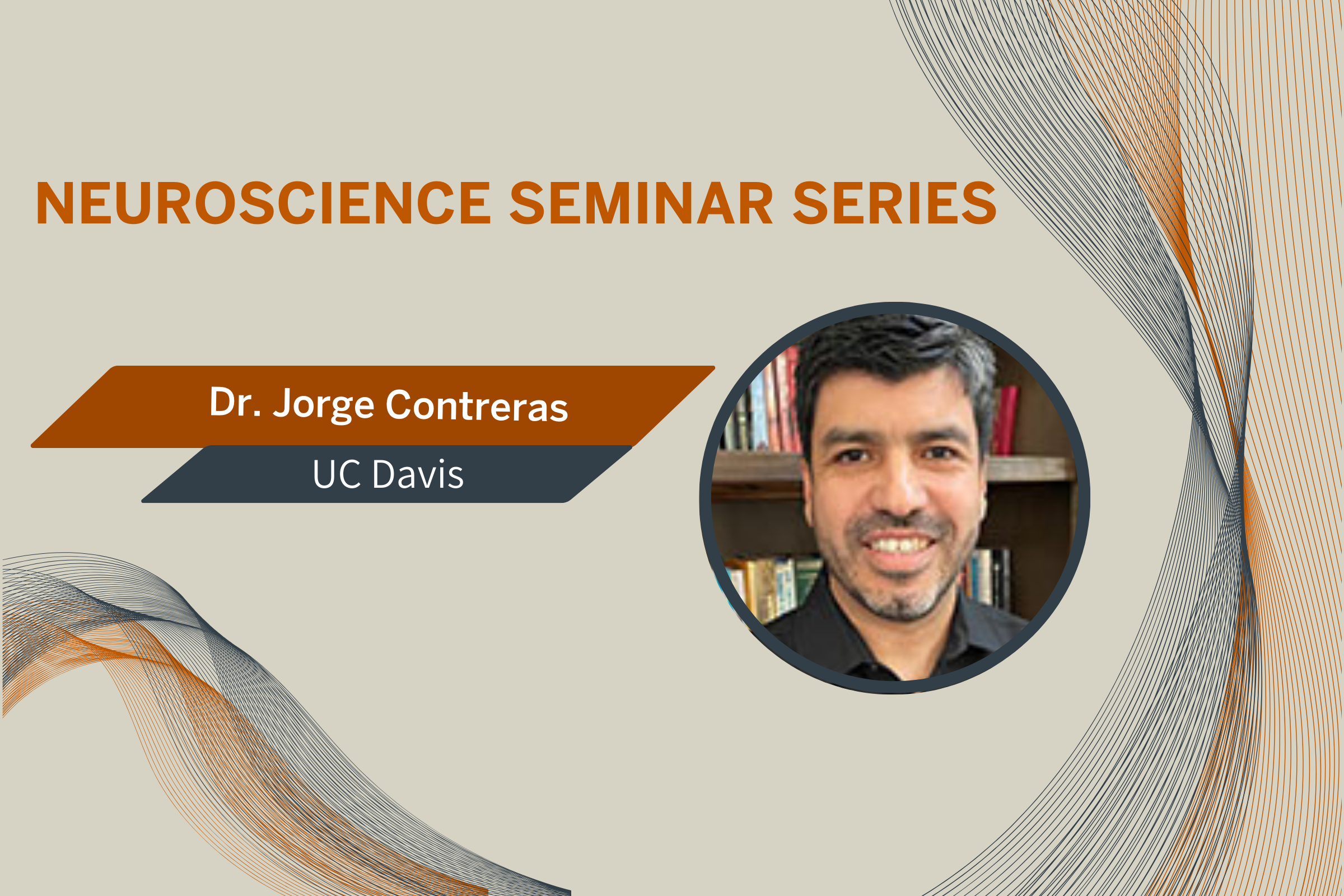
Large Pore Connexin Hemichannels: Channels or Transporters?
2024-25 Neuroscience Seminar Series
3:00 pm – 4:00 pm
Speaker(s): Jorge E. Contreras - UC Davis
Jan
13
2025
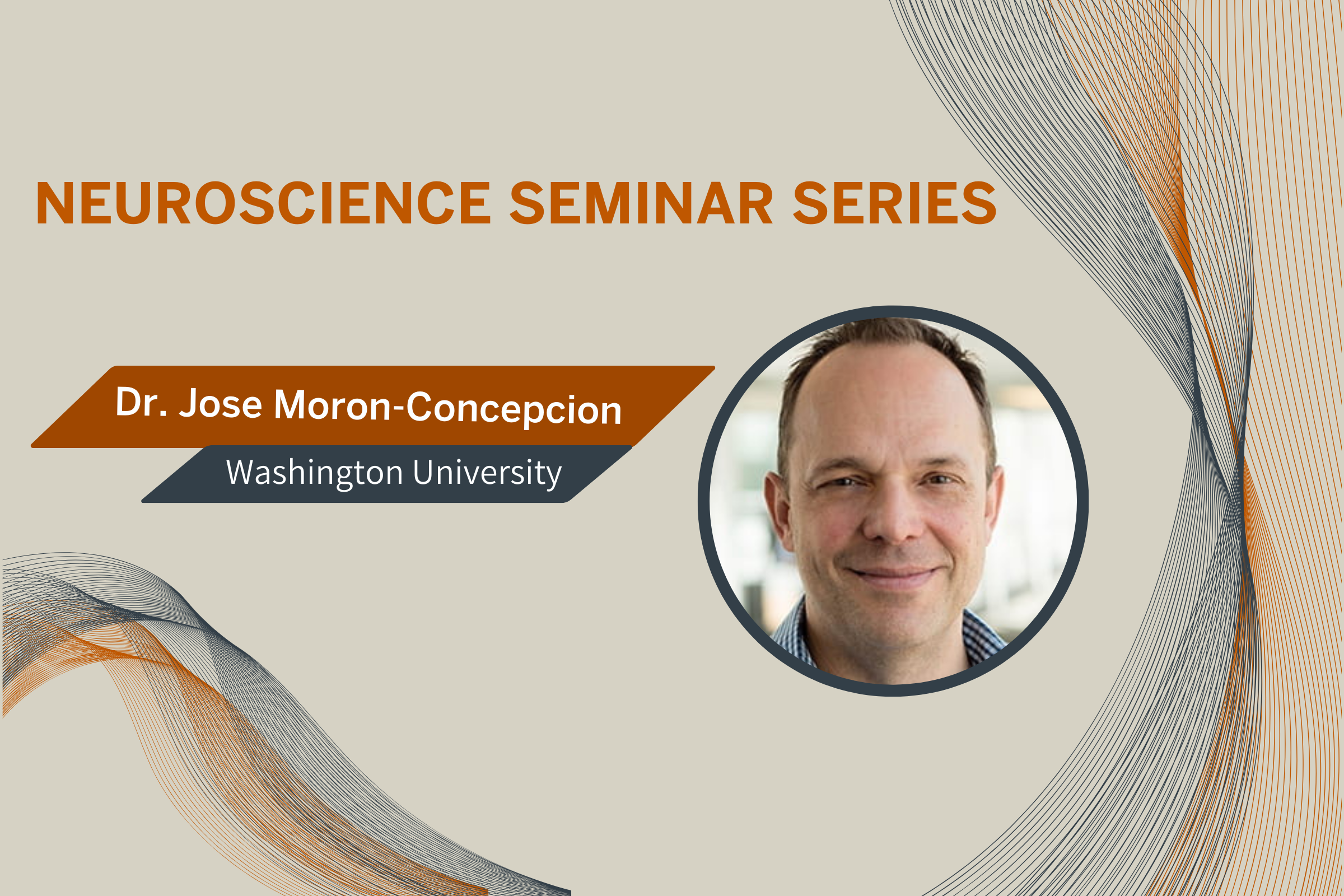
Role of the brain mesolimbic pathway in pain-induced anhedonia and opioid seeking.
2024-25 Neuroscience Seminar Series
3:00 pm – 4:00 pm
Speaker(s): Jose Moron-Concepcion - Washington University
Jan
27
2025
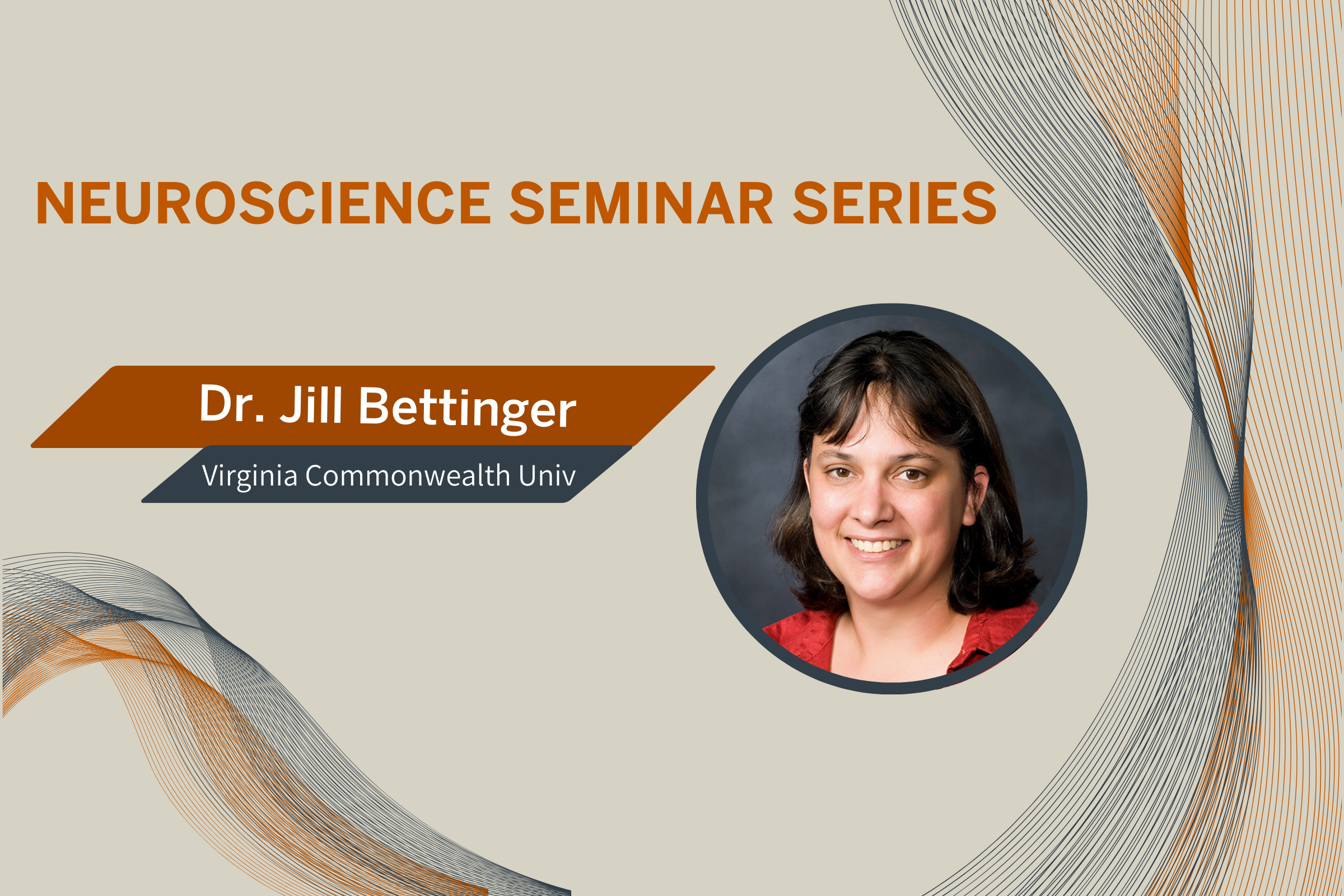
Alcohol induced memory deficits: State-dependent learning in C. elegans
2024-25 Neuroscience Seminar Series
3:00 pm – 4:00 pm
Speaker(s): Jill Bettinger - Virginia Commonwealth University
Feb
10
2025
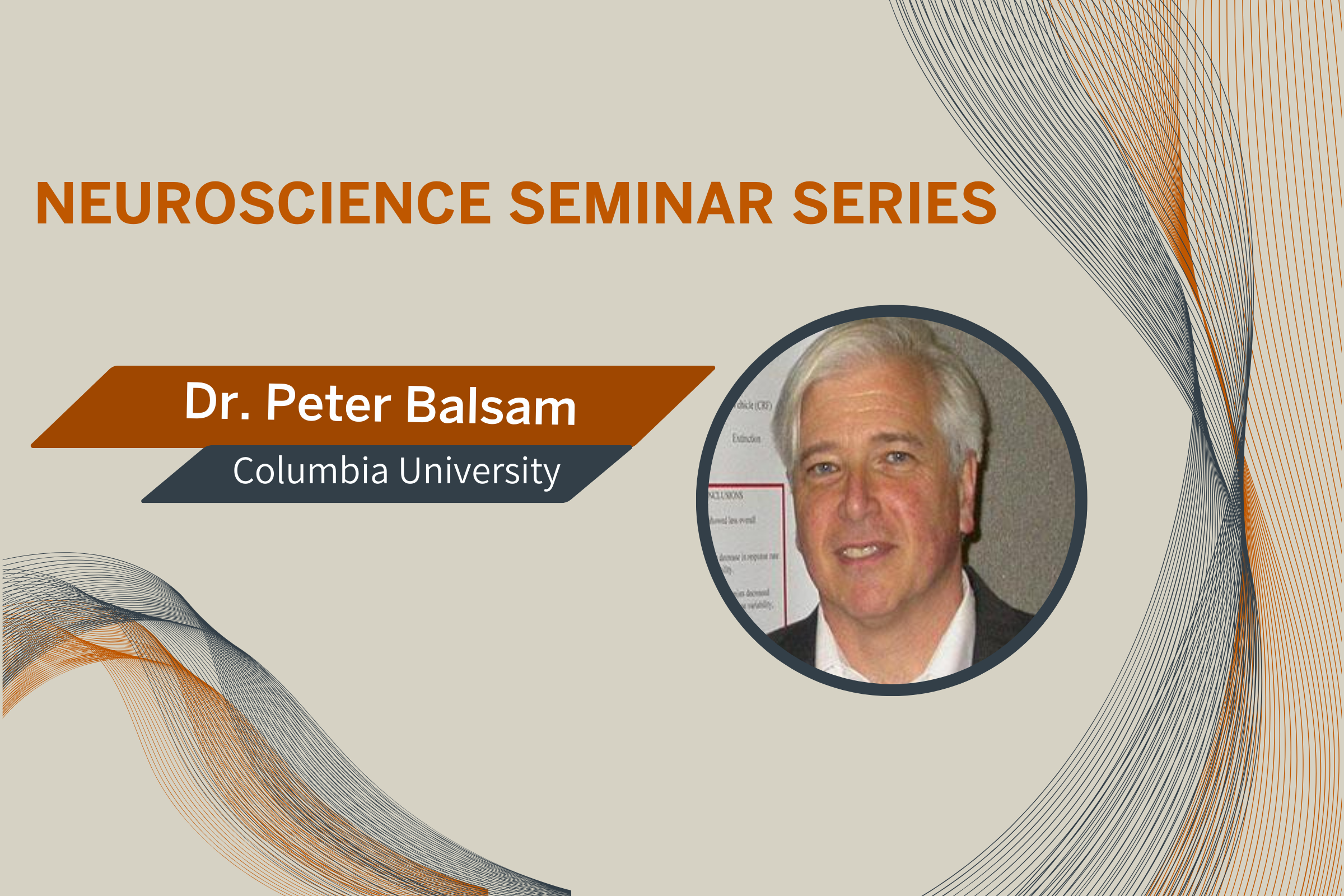
It's all how you look at it: Construal is reflected in brain and behavior
2024-25 Neuroscience Seminar Series
3:00 pm – 4:00 pm
Speaker(s): Peter Balsam - Columbia University
Feb
17
2025
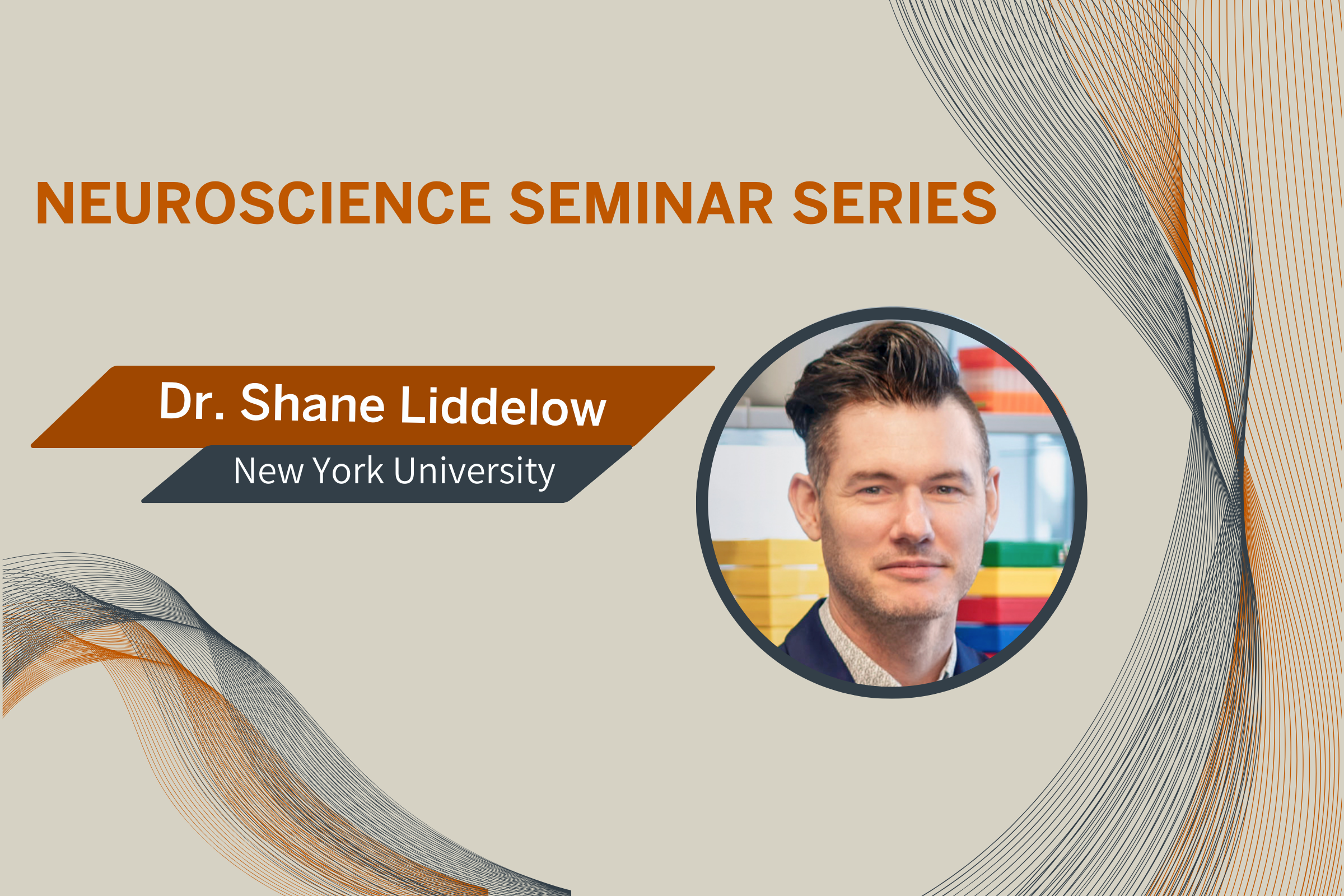
Are astrocytes the key to understanding neurodegenerative disease?
2024-25 Neuroscience Seminar Series
3:00 pm – 4:00 pm
Speaker(s): Shane Liddelow - New York University
Mar
24
2025
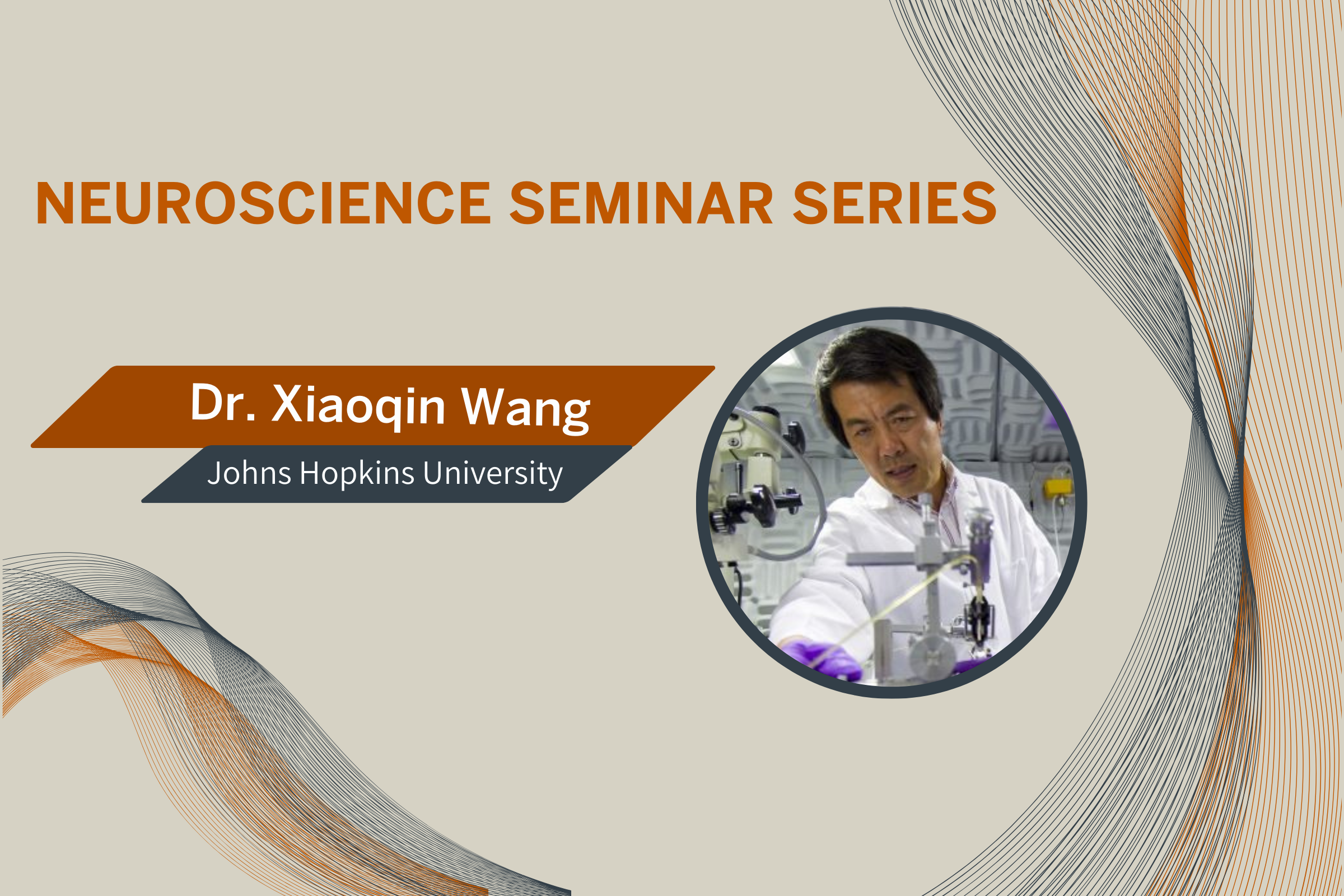
Computational Principles of Primate Auditory Cortex
2024-25 Neuroscience Seminar Series
3:00 pm – 4:00 pm
Speaker(s): Xiaoqin Wang - Johns Hopkins University
Mar
31
2025
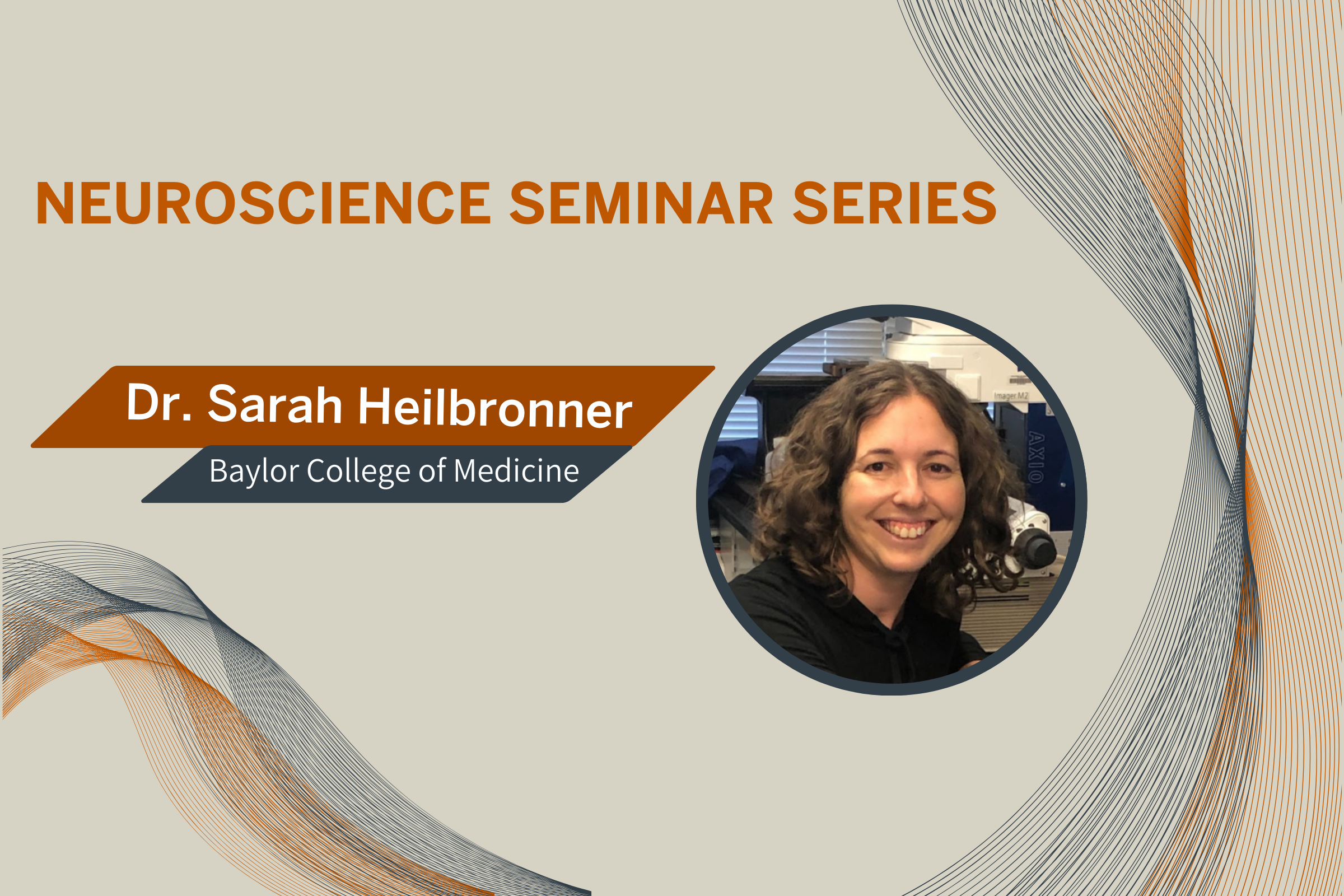
Mapping and modulating human brain connections
2024-25 Neuroscience Seminar Series
3:00 pm – 4:00 pm
Speaker(s): Sarah Heilbronner - Baylor College of Medicine
Apr
14
2025
Mechanisms of chronic pain: lessons from studies of human DRG and spinal cord
2024-25 Neuroscience Seminar Series
3:00 pm – 4:00 pm
Speaker(s): Ted Price - UT Dallas