Somatodendritic neuropeptide release potentiates GABAergic synapses in the VTA
Sep
28
2026
Sep
28
2026
Description
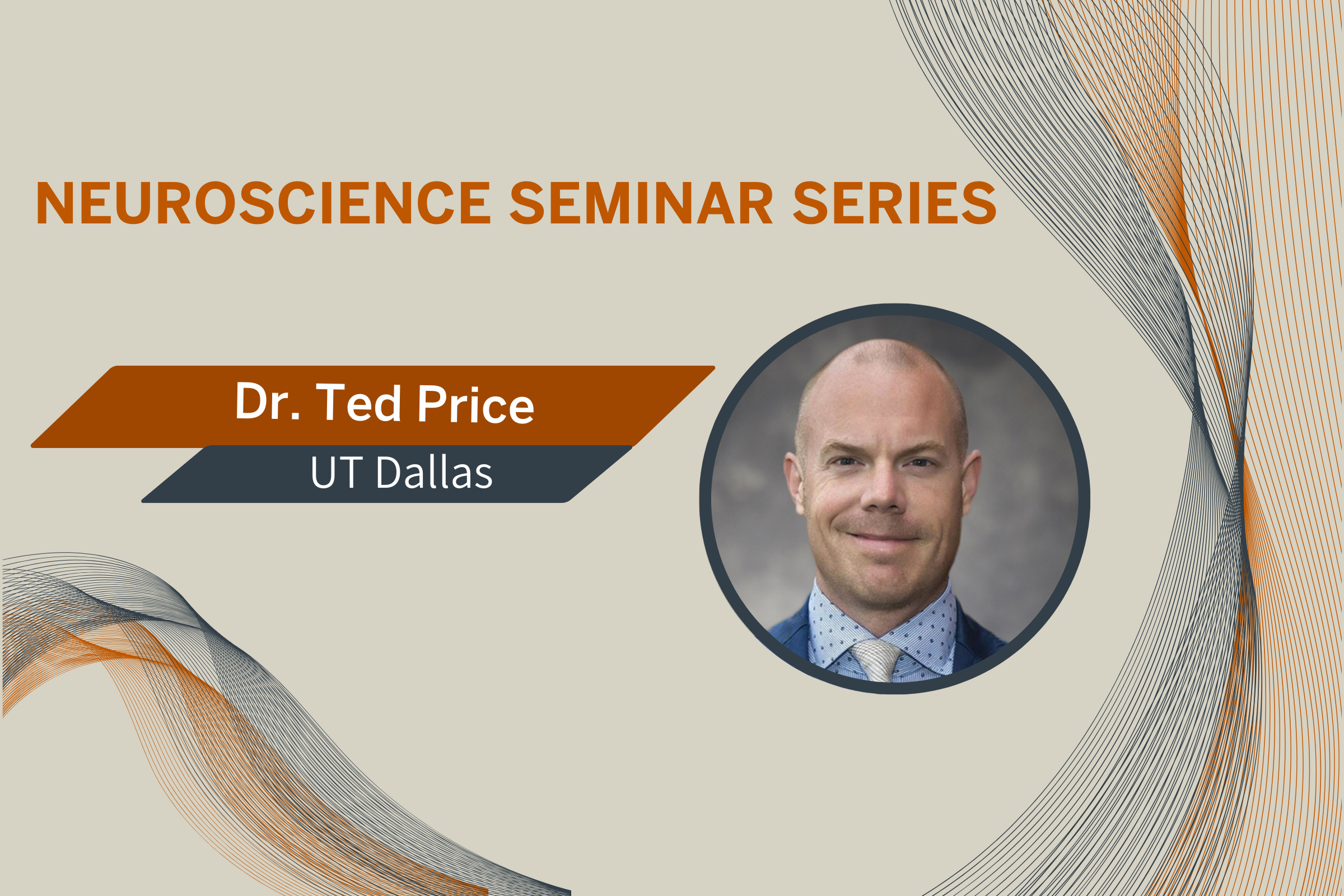
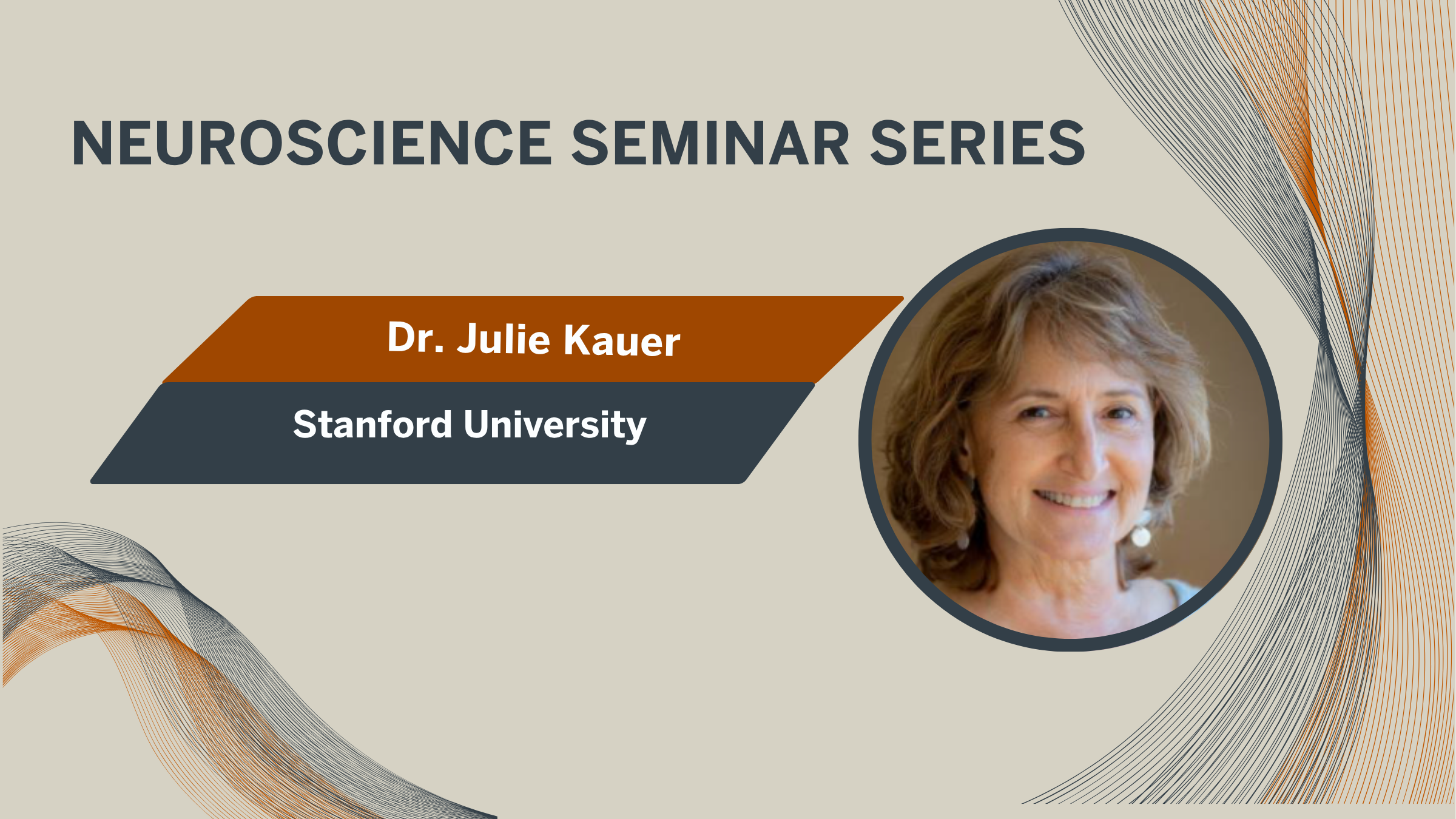
Dr. Julie Kauer is a Professor of Psychiatry & Behavioral Sciences at Stanford University.
Neuropeptides are contained in nearly every neuron in the central nervous system and can be released not only from nerve terminals but also from somatodendritic sites. Cholecystokinin (CCK), among the most abundant neuropeptides in the brain, is expressed in the majority of midbrain dopamine neurons. Despite this high expression, CCK function within the ventral tegmental area (VTA) is not well understood. We found that VTA dopamine neurons release CCK from somatodendritic regions, where it triggers long-term potentiation of GABAergic synapses. The somatodendritic release occurs during trains of optogenetic stimuli or prolonged but modest depolarization. Paired-recording experiments demonstrated that CCK released from a single dopamine neuron is sufficient to induce LTP in synapses on neighboring neurons, suggesting that somatodendritic CCK release may influence a substantial fraction of nearby dopamine neurons and coordinate plasticity across local ensembles rather than acting in a strict cell- or synapse-autonomous manner. In vivo, intra-VTA–infused CCK reduced dopamine cell Ca2+ signals during food consumption and was correlated with reduced food intake. Our experiments introduce somatodendritic neuropeptide release as a previously unknown feedback regulator of VTA dopamine cell excitability and support the idea that peptide signaling adds complexity and richness to neural circuits.
Hosted by Dr. Lief Fenno
To subscribe to our Seminars Series mailing list, please visit https://utlists.utexas.edu/sympa/info/neu-seminars and click on "Subscribe" in the left-hand column.
Please contact Neuro.Seminar.Series@austin.utexas.edu with any questions.
Other Events in This Series
Oct
11
2024
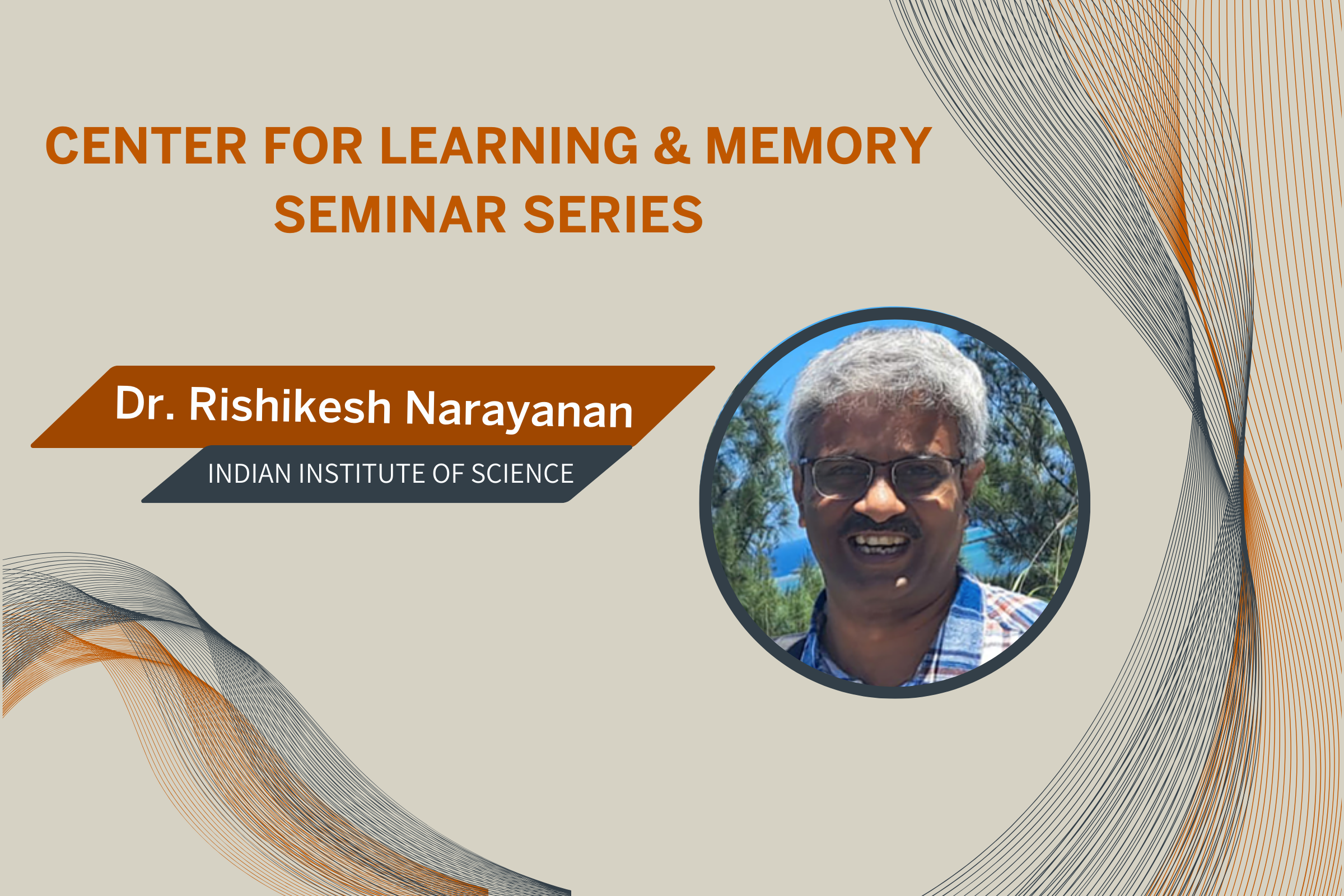
A single neuron is a complex adaptive system
Center for Learning & Memory Seminar Series
3:00 pm – 4:00 pm
Speaker(s): Rishikesh Narayanan - Indian Institute of Science
Nov
4
2024
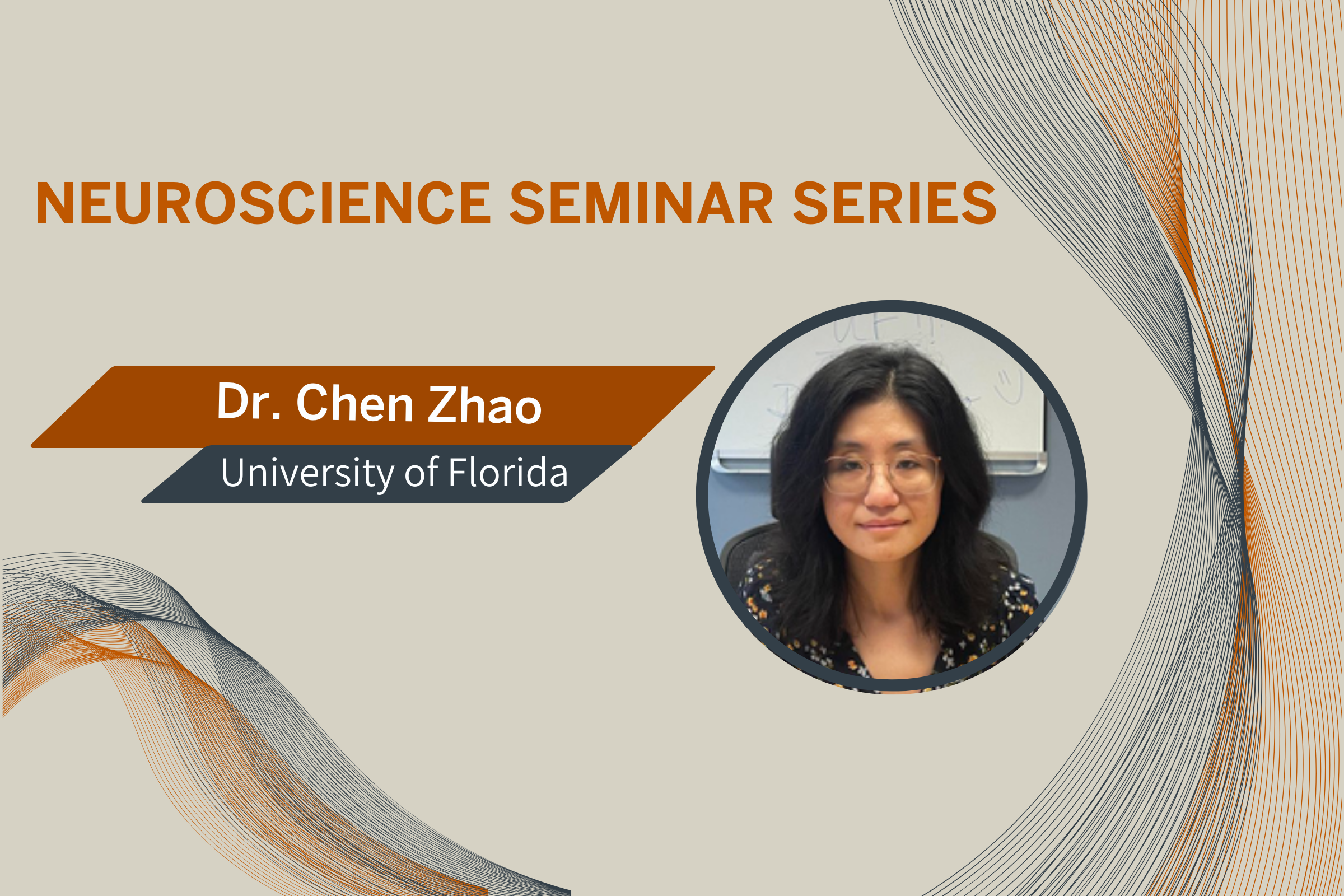
Determining native-like membrane protein structures from cell membrane-derived vesicles.
2024-25 Neuroscience Seminar Series
3:00 pm – 4:00 pm
Speaker(s): Chen Zhao - University of Florida
Dec
9
2024
Large Pore Connexin Hemichannels: Channels or Transporters?
2024-25 Neuroscience Seminar Series
3:00 pm – 4:00 pm
Speaker(s): Jorge E. Contreras - UC Davis
Jan
13
2025
Role of the brain mesolimbic pathway in pain-induced anhedonia and opioid seeking.
2024-25 Neuroscience Seminar Series
3:00 pm – 4:00 pm
Speaker(s): Jose Moron-Concepcion - Washington University
Jan
27
2025
Alcohol induced memory deficits: State-dependent learning in C. elegans
2024-25 Neuroscience Seminar Series
3:00 pm – 4:00 pm
Speaker(s): Jill Bettinger - Virginia Commonwealth University
Feb
10
2025
It's all how you look at it: Construal is reflected in brain and behavior
2024-25 Neuroscience Seminar Series
3:00 pm – 4:00 pm
Speaker(s): Peter Balsam - Columbia University
Feb
17
2025
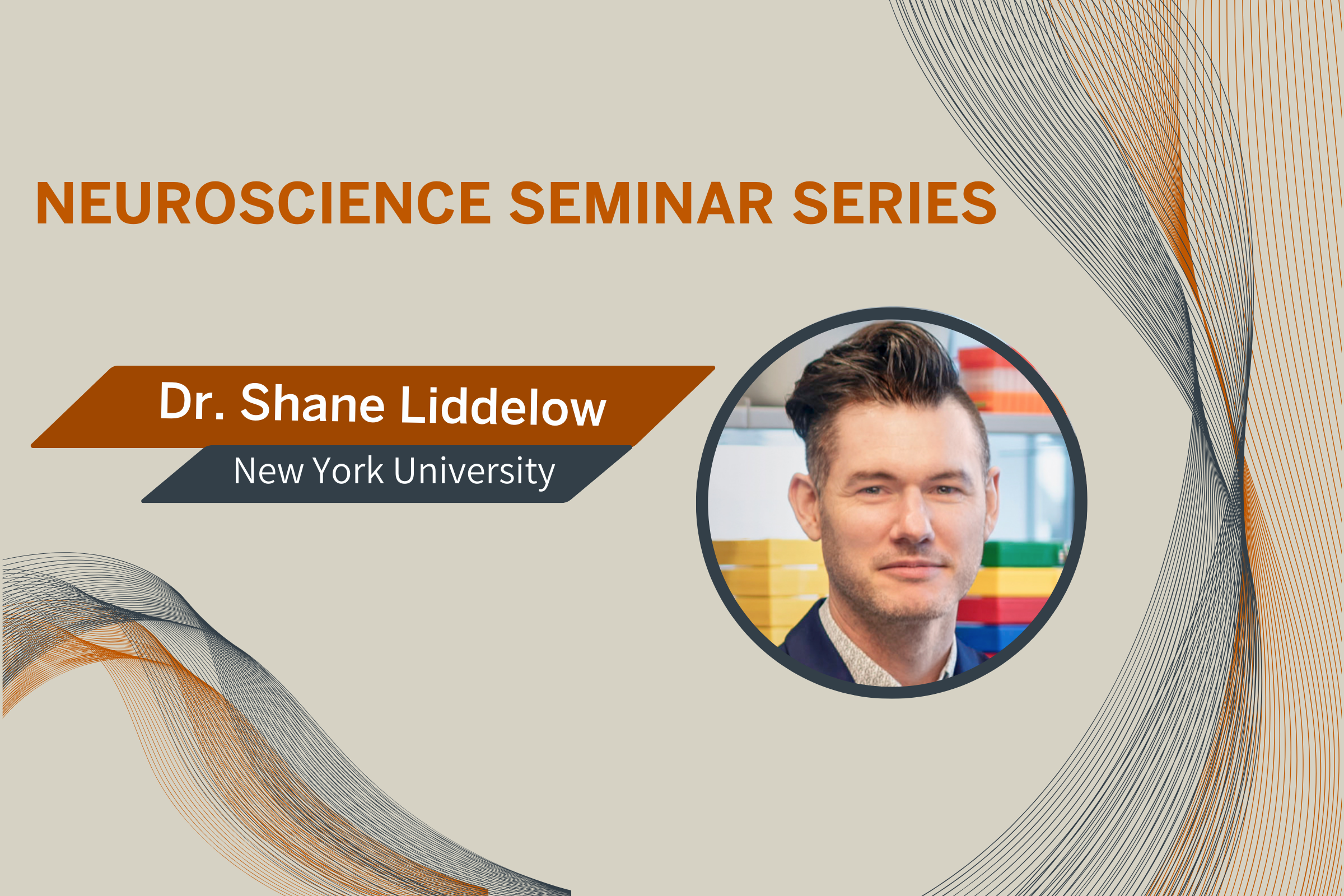
Are astrocytes the key to understanding neurodegenerative disease?
2024-25 Neuroscience Seminar Series
3:00 pm – 4:00 pm
Speaker(s): Shane Liddelow - New York University
Mar
24
2025
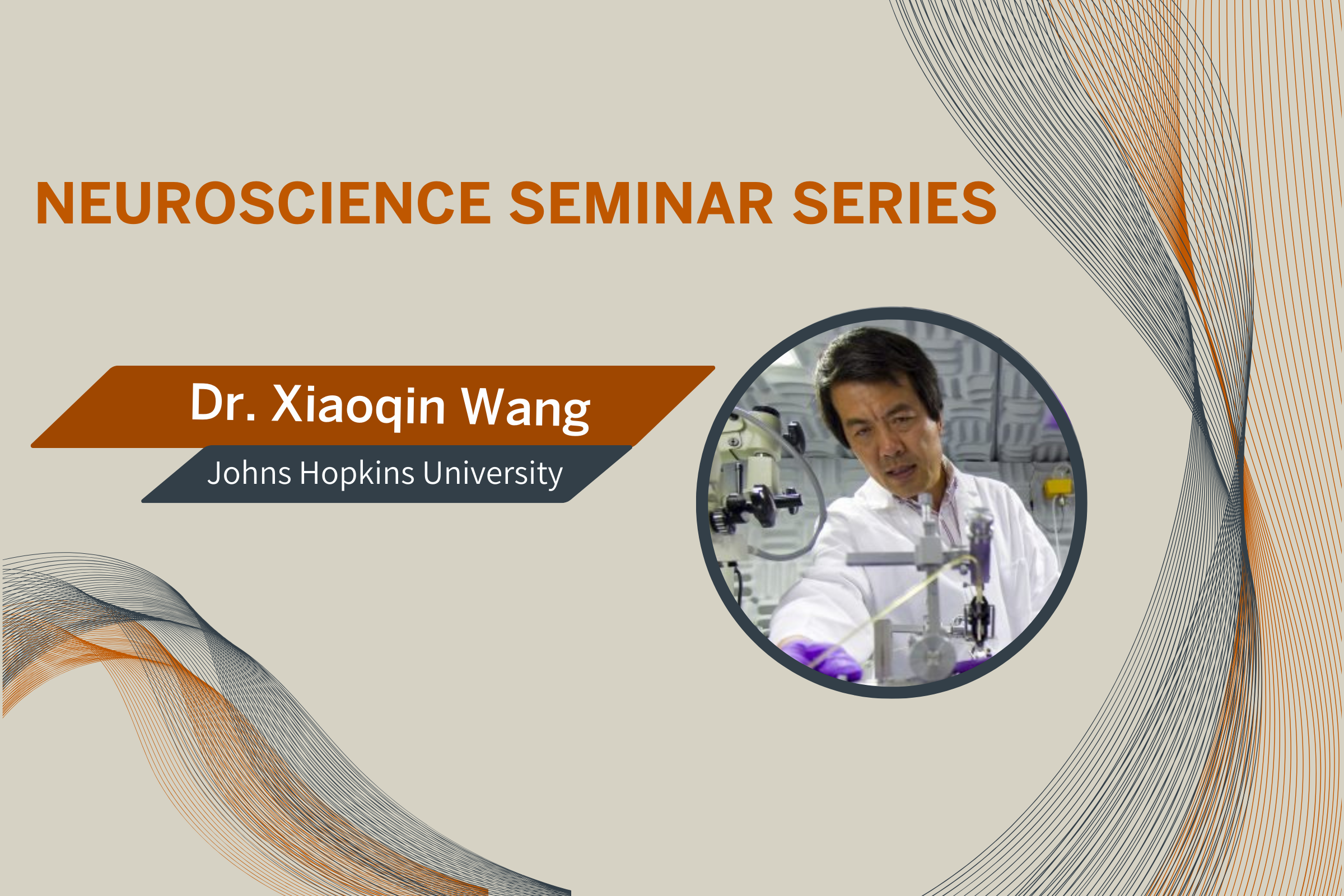
Computational Principles of Primate Auditory Cortex
2024-25 Neuroscience Seminar Series
3:00 pm – 4:00 pm
Speaker(s): Xiaoqin Wang - Johns Hopkins University
Mar
31
2025
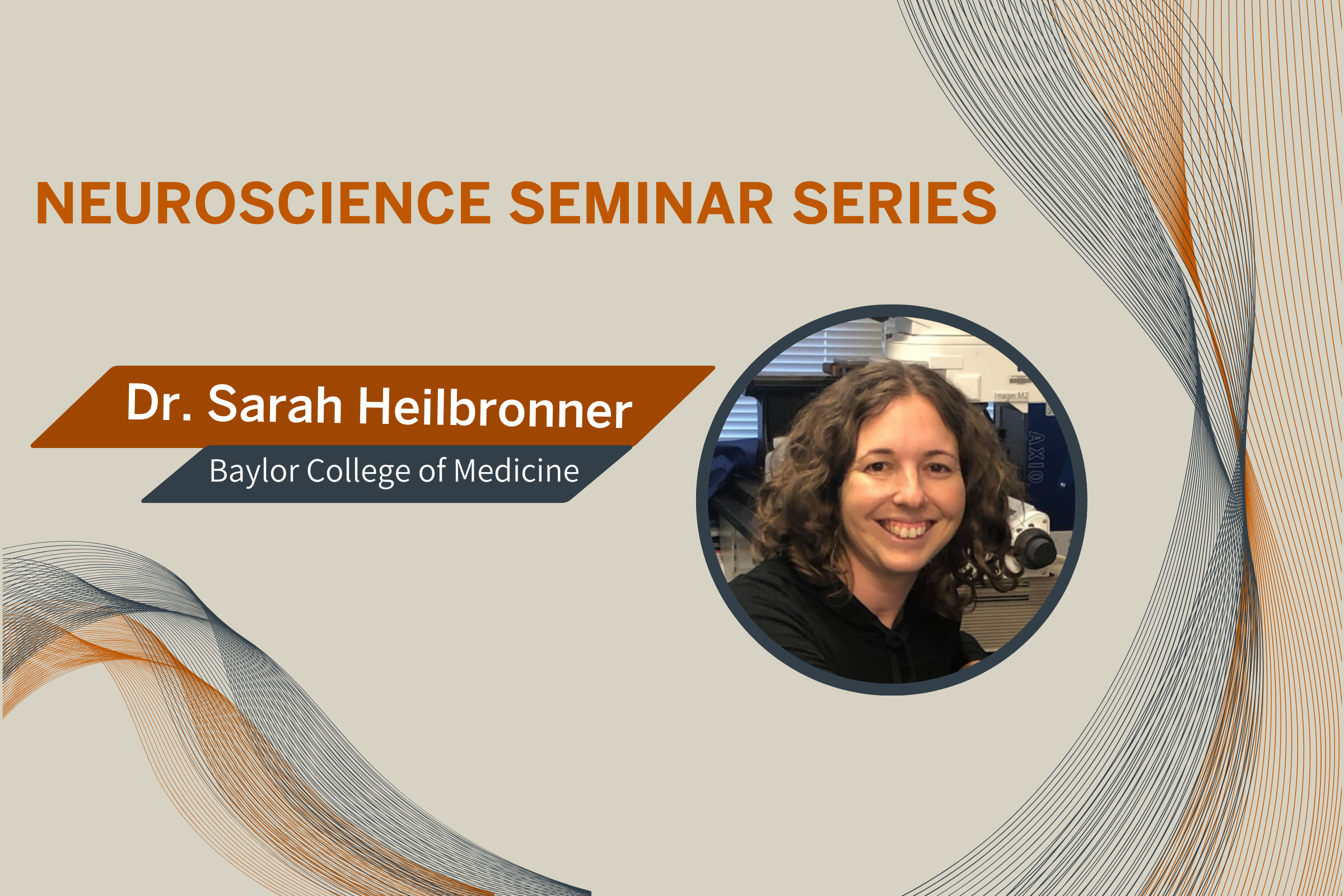
Mapping and modulating human brain connections
2024-25 Neuroscience Seminar Series
3:00 pm – 4:00 pm
Speaker(s): Sarah Heilbronner - Baylor College of Medicine
Apr
14
2025
Mechanisms of chronic pain: lessons from studies of human DRG and spinal cord
2024-25 Neuroscience Seminar Series
3:00 pm – 4:00 pm
Speaker(s): Ted Price - UT Dallas