Investigating the Neuronal and Network-Level Mechanisms Underlying Alzheimer’s Disease
Apr
20
2026
Apr
20
2026
Description
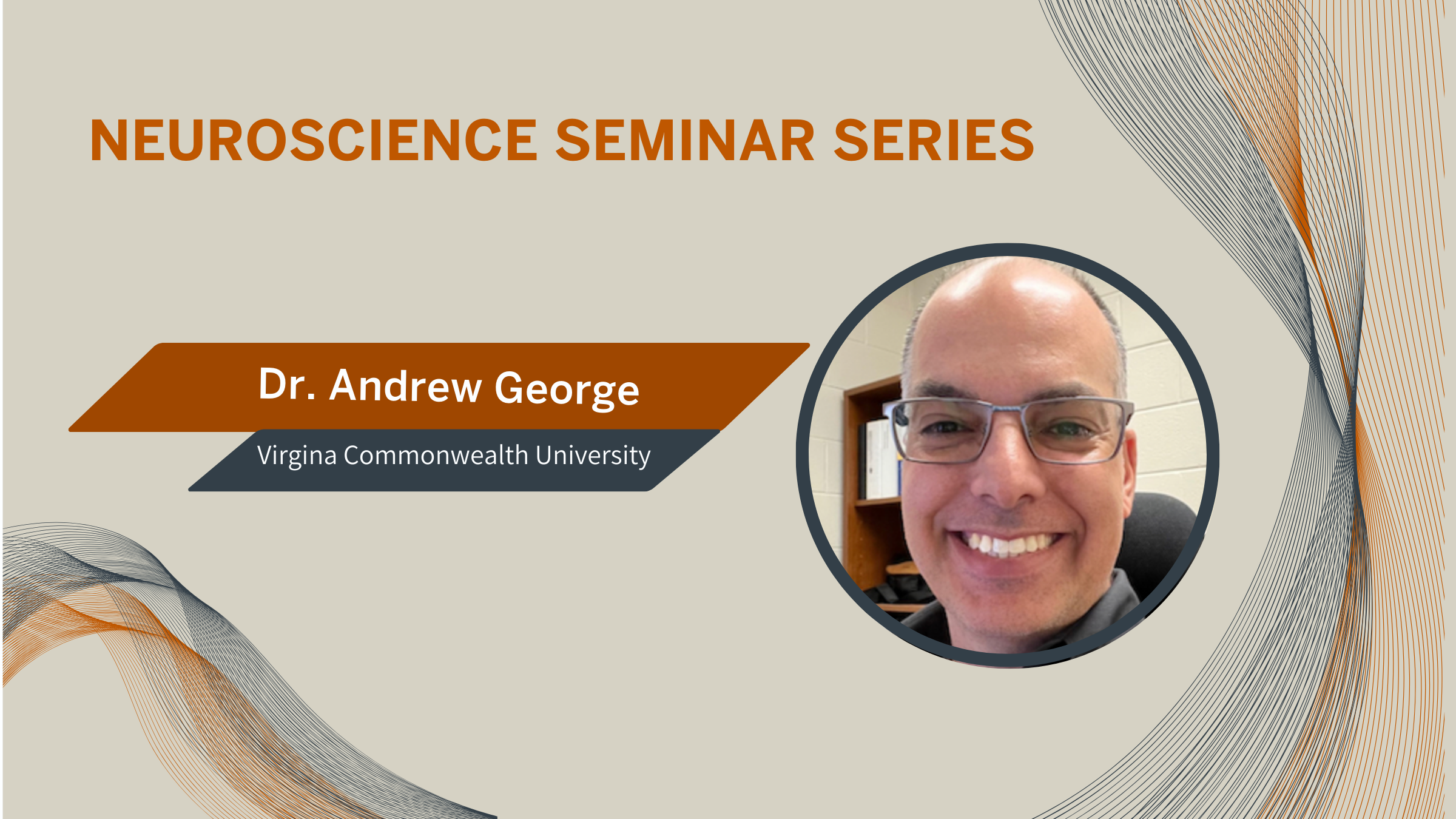
Dr. Andrew George is an assistant professor of Pharmacology and Toxicology at the Virginia Commonwealth University.
Alzheimer’s disease (AD) is a neurodegenerative condition that progressively destroys memory and cognition, exacting devastating personal and public health costs. Recent evidence indicates that soluble oligomeric Aβ42 (oAβ42) begins accumulating in the human brain one to two decades before clinical symptoms of AD emerge. Multiple studies suggest that elevated levels of soluble oAβ42, rather than insoluble Aβ plaques, drive the selective degeneration of vulnerable neurons and serve as the strongest predictors of cognitive decline in AD. Basal forebrain cholinergic neurons (BFCNs) are particularly vulnerable to functional modulation by oAβ42, and their dysfunction has been implicated in memory loss and cognitive impairment. In septo-hippocampal pathways, α7-containing nicotinic acetylcholine receptors mediate synaptic transmission and neuronal intrinsic excitability. While most α7 nicotinic acetylcholine receptors (nAChRs) are homomeric, α7β2-containing nAChRs are preferentially expressed on BFCNs. Using single-channel electrophysiology, we show that oAβ42 activates both α7- and α7β2- nAChR subtypes, with a preferential enhancement of α7β2-nAChR single-channel open dwell times. In parallel, current-clamp recordings from BFCNs in organotypic slice cultures prepared from male and female ChAT-EGFP mice demonstrate that chronic exposure to pathophysiologically relevant levels of oAβ42 enhances BFCN intrinsic excitability. These effects are associated with reduced afterhyperpolarization and altered rates of membrane depolarization and repolarization. Mechanistically, we find that oAβ42-α7β2 nAChR interactions enhance BFCN excitability through modulation of BK-, SK-, and KCNQ/Kv7 (M-type) potassium channels. Together, these findings identify α7β2-nAChRs and downstream potassium channel targets as potential therapeutic targets for preventing BFCN dysfunction and cognitive decline in AD.
Hosted by Dr. Harold Zakon
To subscribe to our Seminars Series mailing list, please visit https://utlists.utexas.edu/sympa/info/neu-seminars and click on "Subscribe" in the left-hand column.
Please contact Neuro.Seminar.Series@austin.utexas.edu with any questions.
Other Events in This Series
Oct
11
2024
A single neuron is a complex adaptive system
Center for Learning & Memory Seminar Series
3:00 pm – 4:00 pm
Speaker(s): Rishikesh Narayanan - Indian Institute of Science
Nov
4
2024
Determining native-like membrane protein structures from cell membrane-derived vesicles.
2024-25 Neuroscience Seminar Series
3:00 pm – 4:00 pm
Speaker(s): Chen Zhao - University of Florida
Dec
9
2024
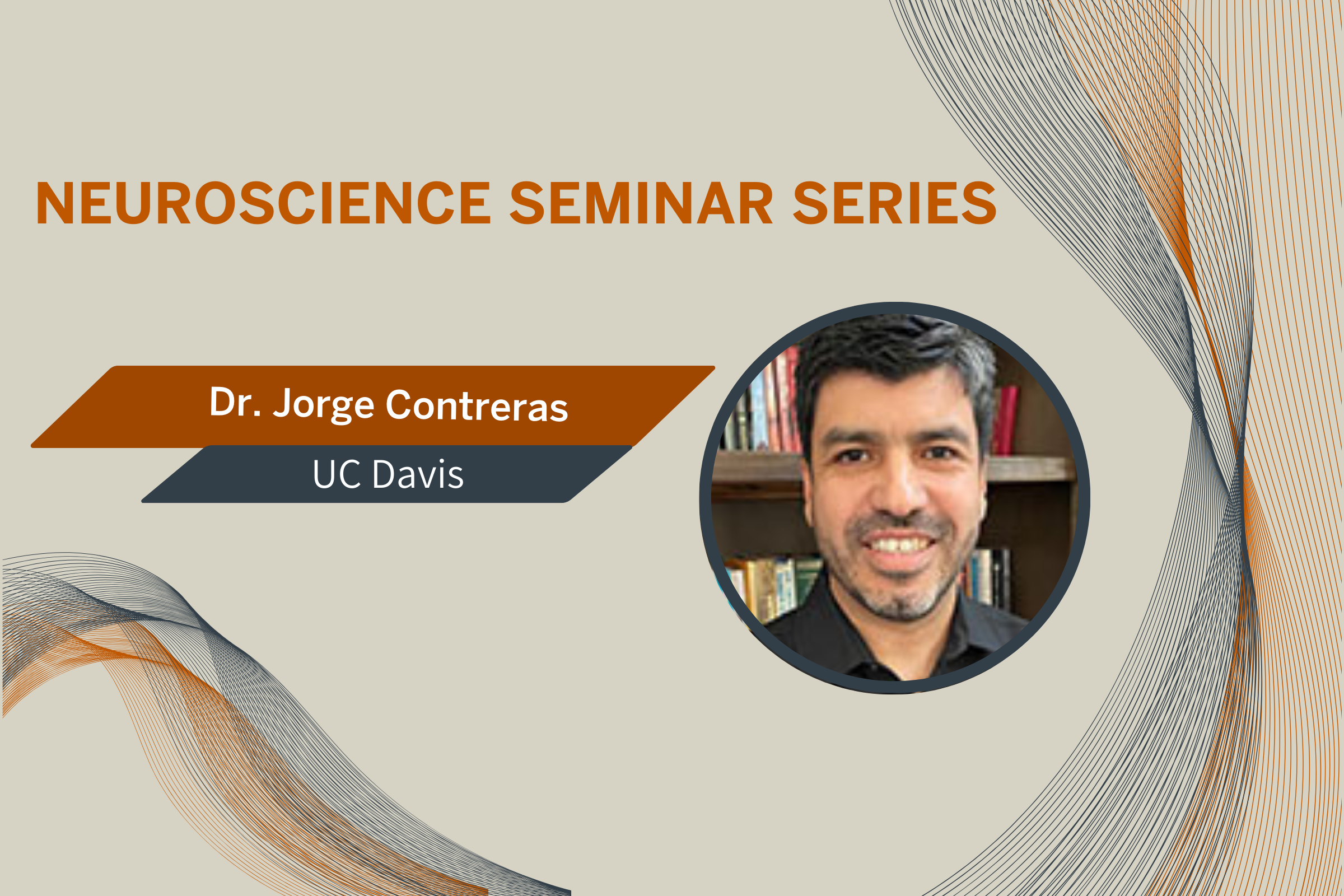
Large Pore Connexin Hemichannels: Channels or Transporters?
2024-25 Neuroscience Seminar Series
3:00 pm – 4:00 pm
Speaker(s): Jorge E. Contreras - UC Davis
Jan
13
2025
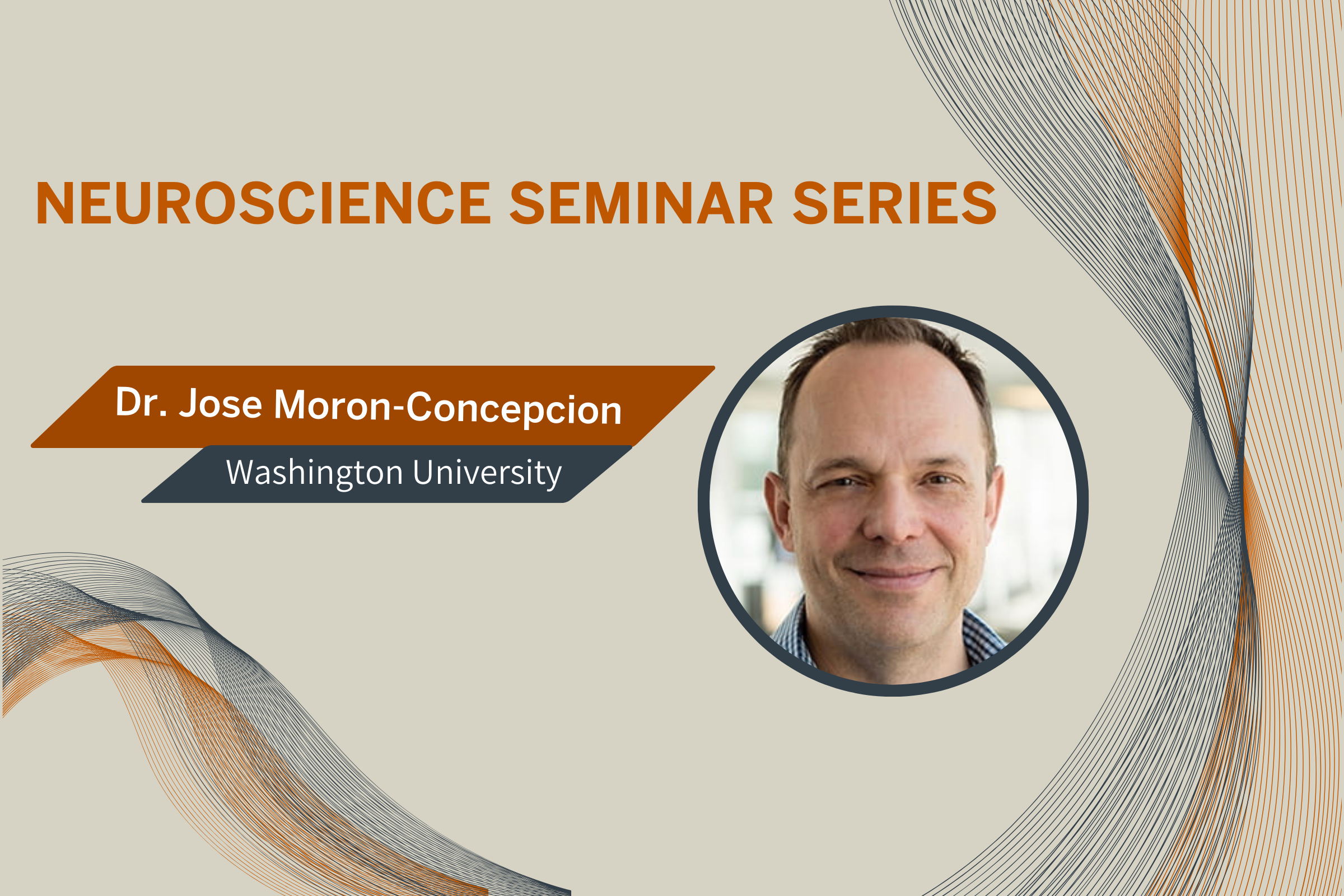
Role of the brain mesolimbic pathway in pain-induced anhedonia and opioid seeking.
2024-25 Neuroscience Seminar Series
3:00 pm – 4:00 pm
Speaker(s): Jose Moron-Concepcion - Washington University
Jan
27
2025
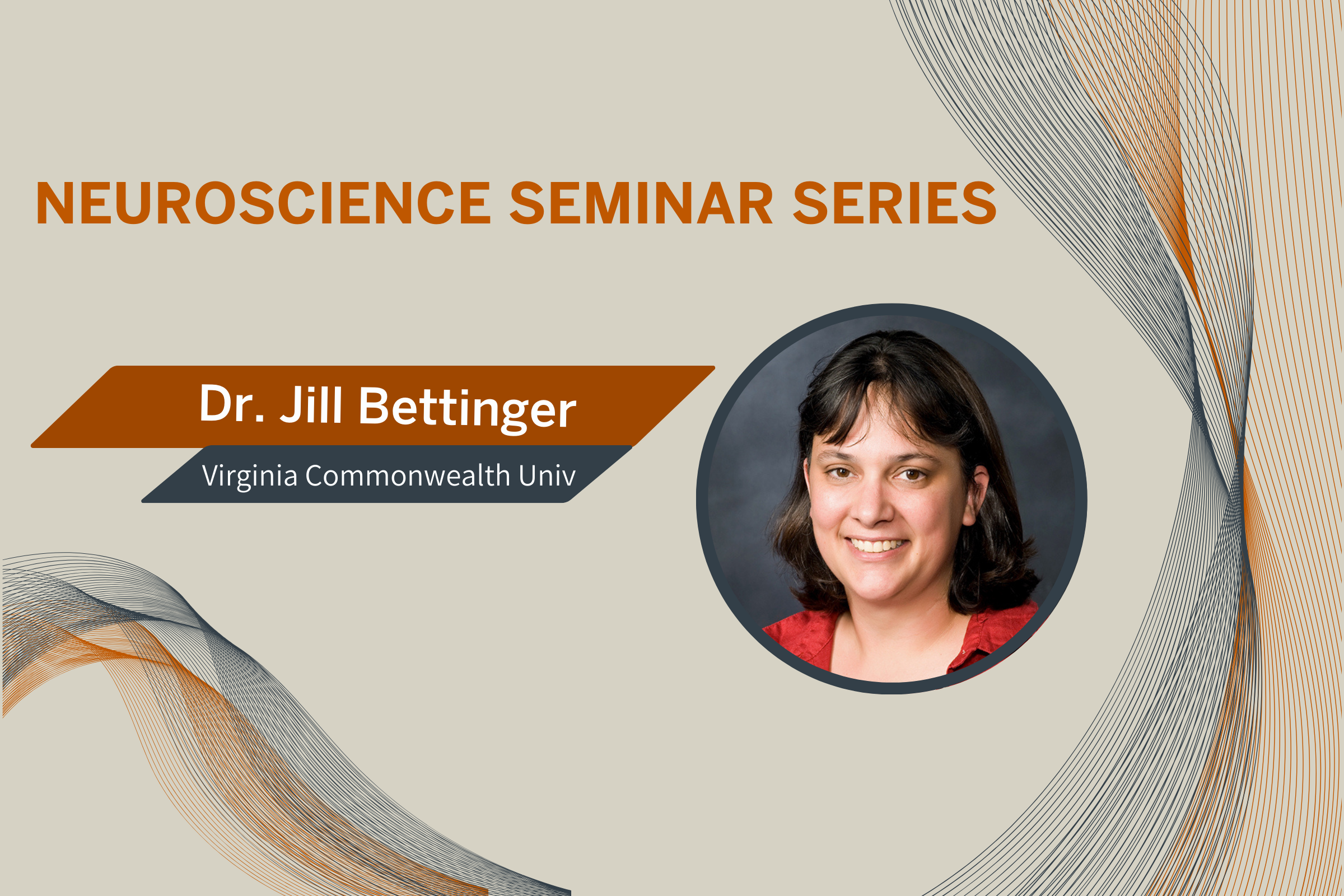
Alcohol induced memory deficits: State-dependent learning in C. elegans
2024-25 Neuroscience Seminar Series
3:00 pm – 4:00 pm
Speaker(s): Jill Bettinger - Virginia Commonwealth University
Feb
10
2025
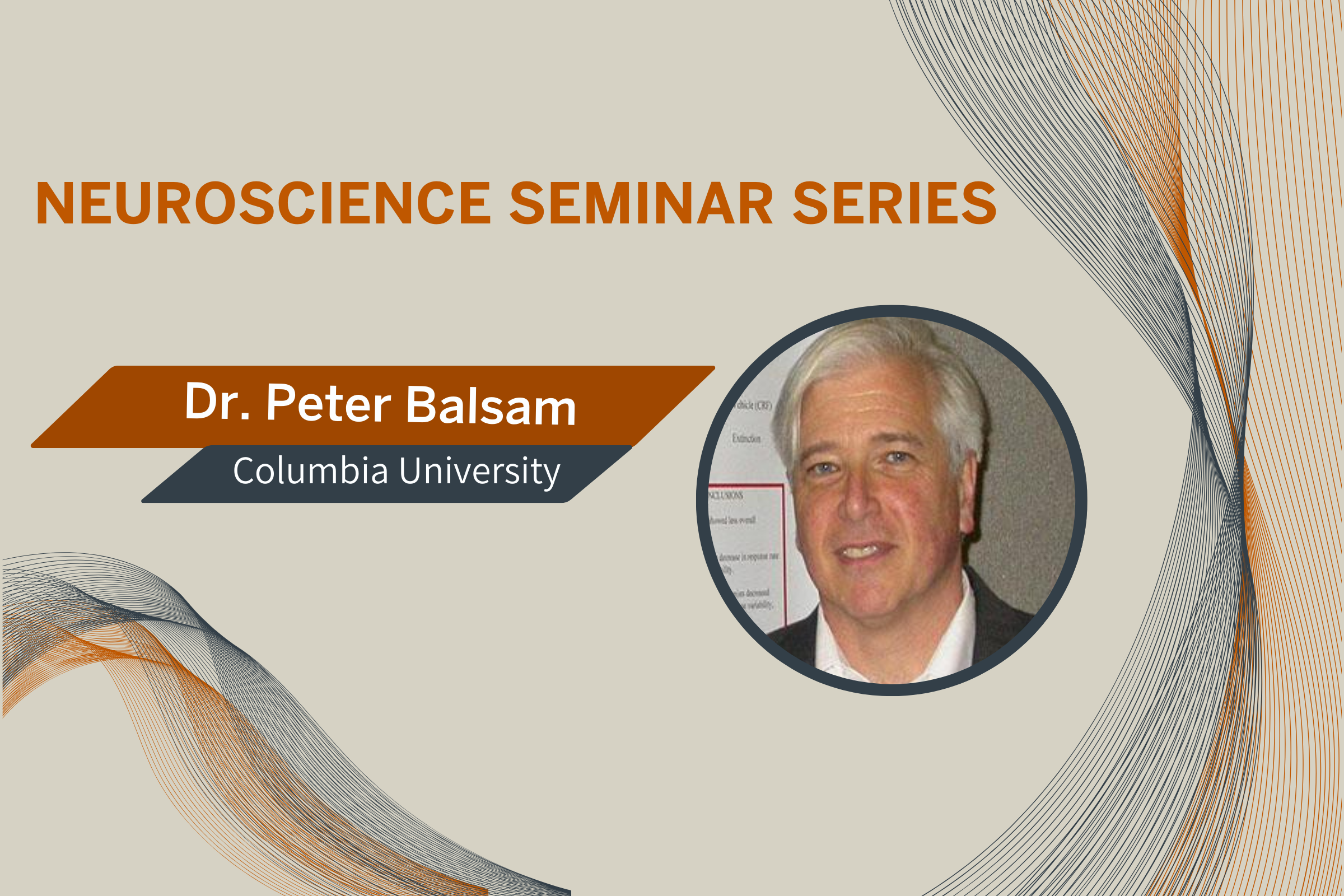
It's all how you look at it: Construal is reflected in brain and behavior
2024-25 Neuroscience Seminar Series
3:00 pm – 4:00 pm
Speaker(s): Peter Balsam - Columbia University
Feb
17
2025
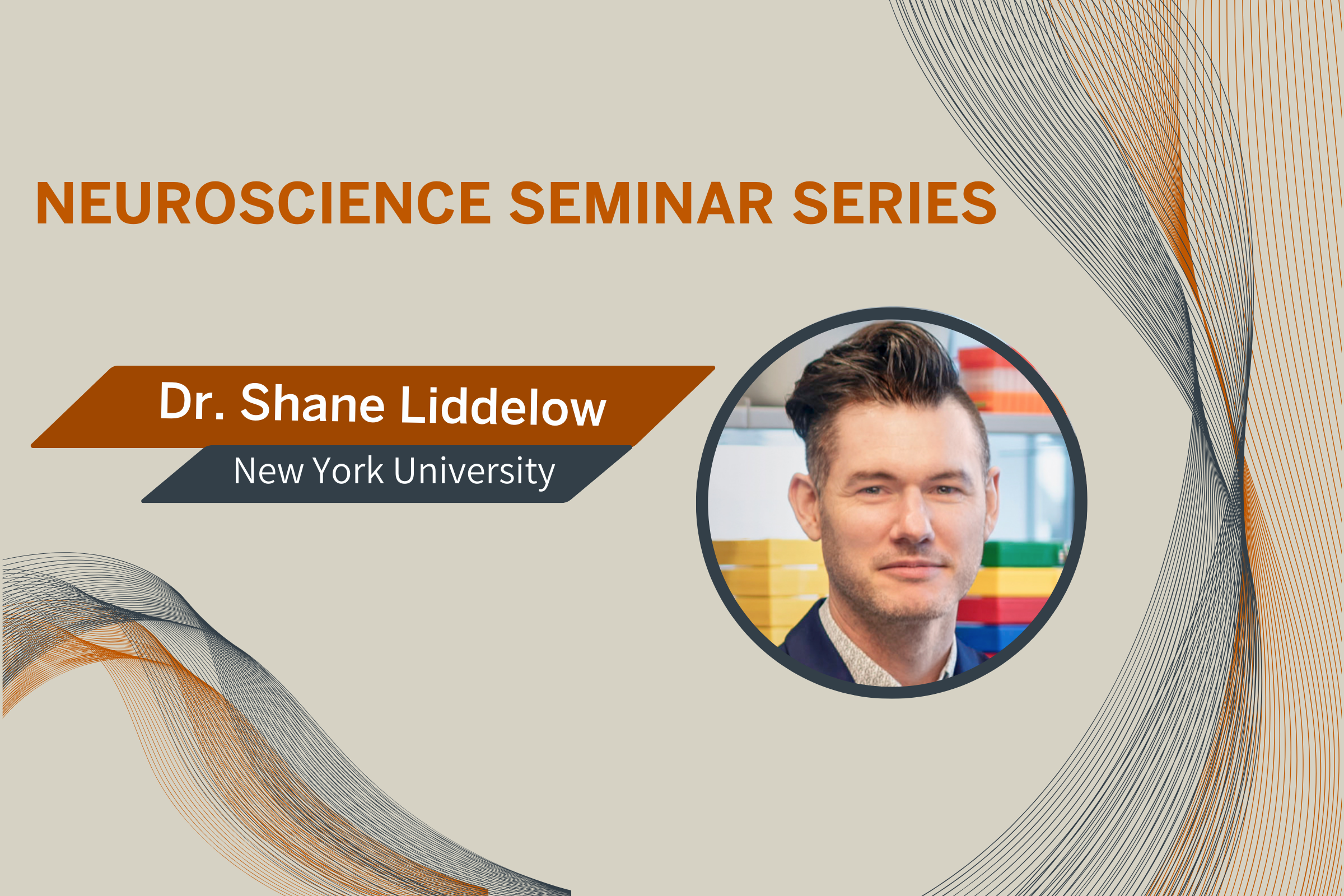
Are astrocytes the key to understanding neurodegenerative disease?
2024-25 Neuroscience Seminar Series
3:00 pm – 4:00 pm
Speaker(s): Shane Liddelow - New York University
Mar
24
2025
Computational Principles of Primate Auditory Cortex
2024-25 Neuroscience Seminar Series
3:00 pm – 4:00 pm
Speaker(s): Xiaoqin Wang - Johns Hopkins University

Mar
31
2025
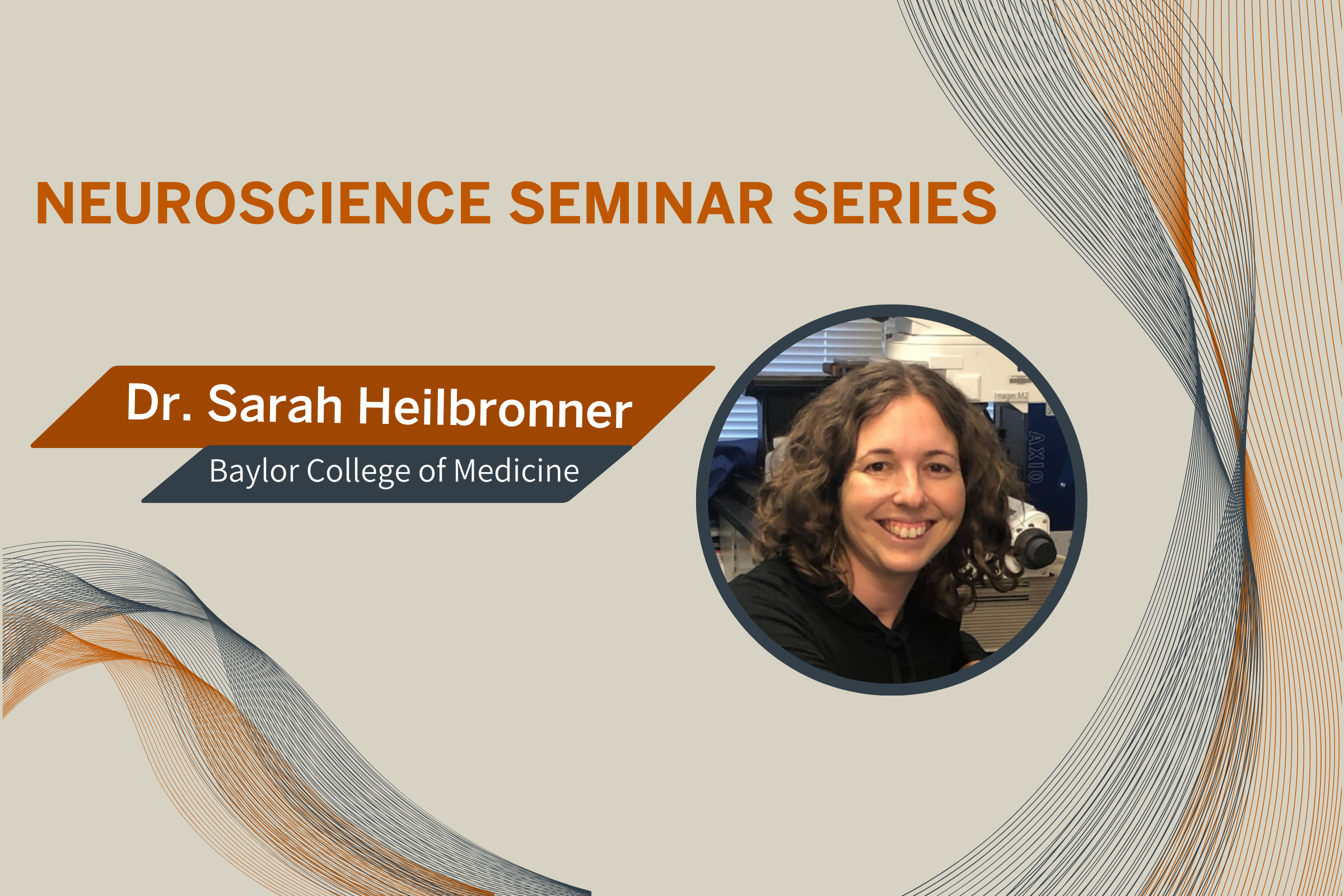
Mapping and modulating human brain connections
2024-25 Neuroscience Seminar Series
3:00 pm – 4:00 pm
Speaker(s): Sarah Heilbronner - Baylor College of Medicine
Apr
14
2025
Mechanisms of chronic pain: lessons from studies of human DRG and spinal cord
2024-25 Neuroscience Seminar Series
3:00 pm – 4:00 pm
Speaker(s): Ted Price - UT Dallas