Membrane curvature-regulated intracellular signaling
Feb
9
2026
Feb
9
2026
Description
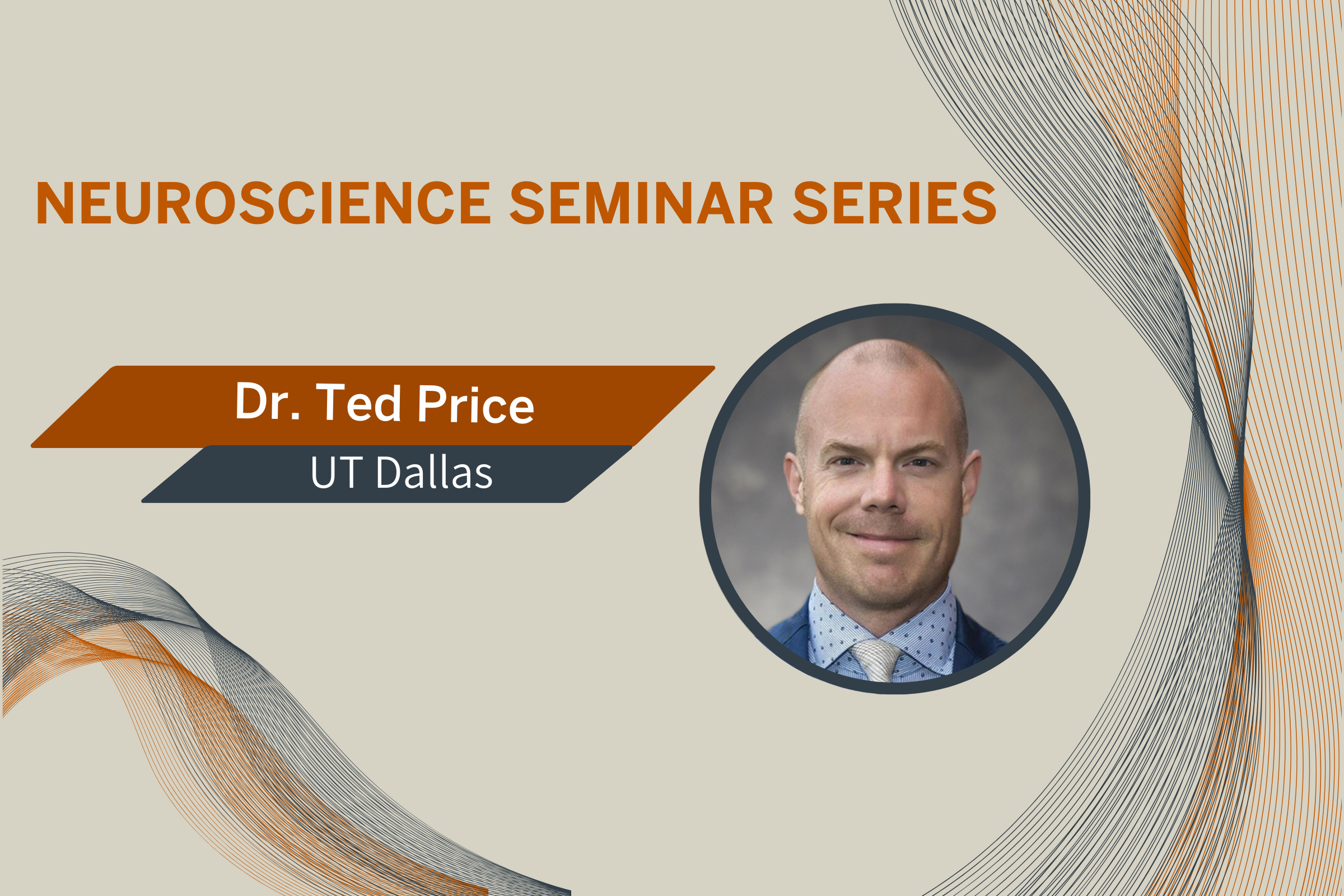
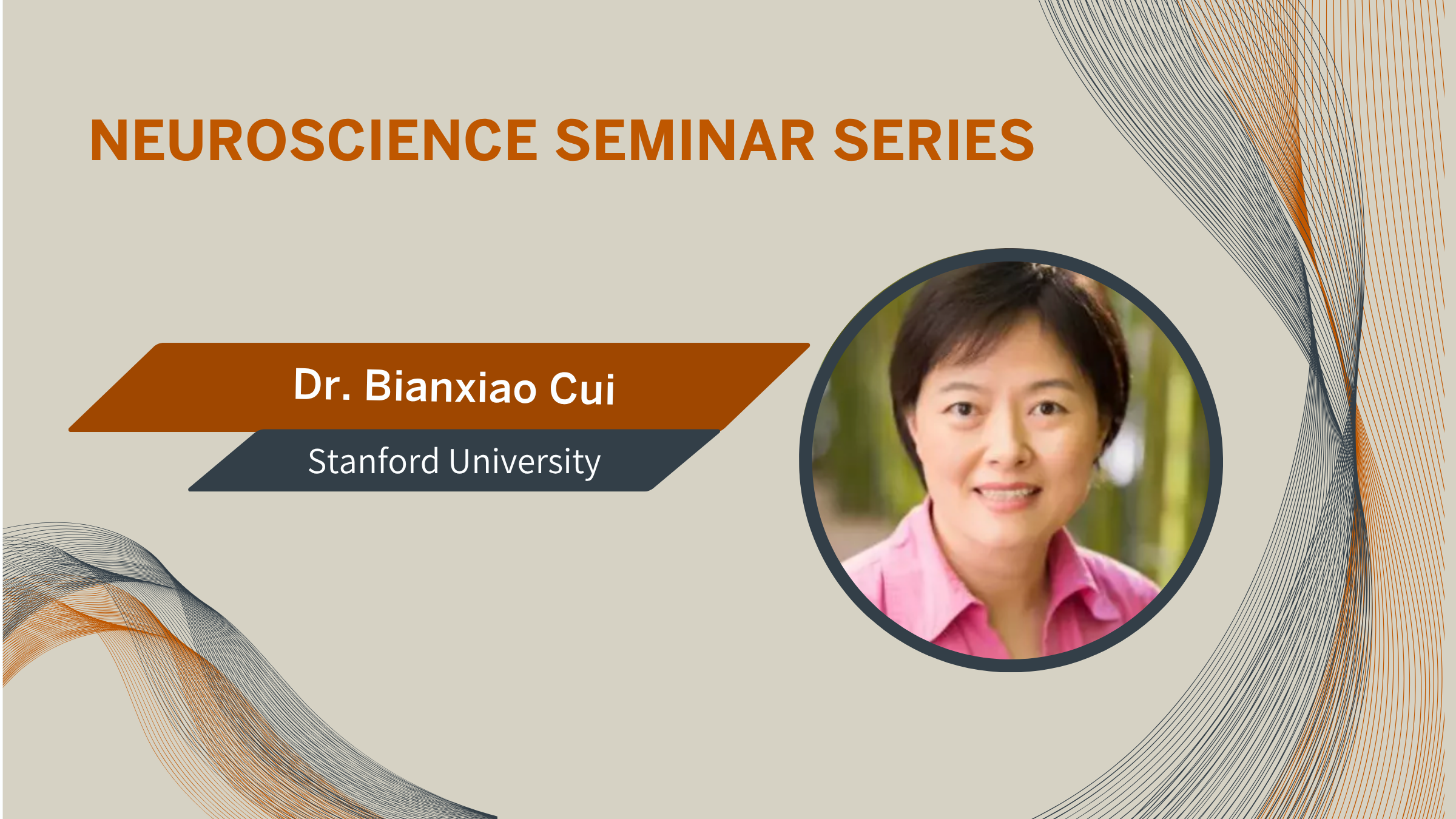
Dr. Bianxiao Cui is a professor of Chemistry and Stanford University.
The plasma membrane is fluidic and can adopt a wide variety of deformation and local curvature. Curved membrane structures are inherently three-dimensional, typically tens to hundreds of nanometers in size, below the diffraction limit of light microscopy, and are highly dynamic. Consequently, direct manipulation over the location, magnitude, and stability of membrane curvature in live cells has remained largely unattainable, severely limiting functional studies. We developed vertical nanostructure-based platforms for curvature manipulation and sensing in live cells, referred to as Nanocurves. Membrane curvature has traditionally been studied in the context of endocytosis, where membranes are actively deformed during vesicle formation. Our work demonstrates that membrane curvature plays a far broader and more active role in cellular signaling, including kinase activation, cell adhesion, and endoplasmic reticulum–plasma membrane (ER–PM) contact formation, well beyond processes previously known to involve membrane bending. These studies have led to the discovery of previously unknown cellular structures (curved adhesions), novel signaling pathways (curvature-induced kinase activation), and unexpected regulation mechanisms (curvature-dependent ER-PM contacts). These findings reveal membrane curvature as an instructive regulator of intracellular signaling.
Hosted by Susanne Ressl
To subscribe to our Seminars Series mailing list, please visit https://utlists.utexas.edu/sympa/info/neu-seminars and click on "Subscribe" in the left-hand column.
Please contact Neuro.Seminar.Series@austin.utexas.edu with any questions.
Other Events in This Series
Oct
11
2024
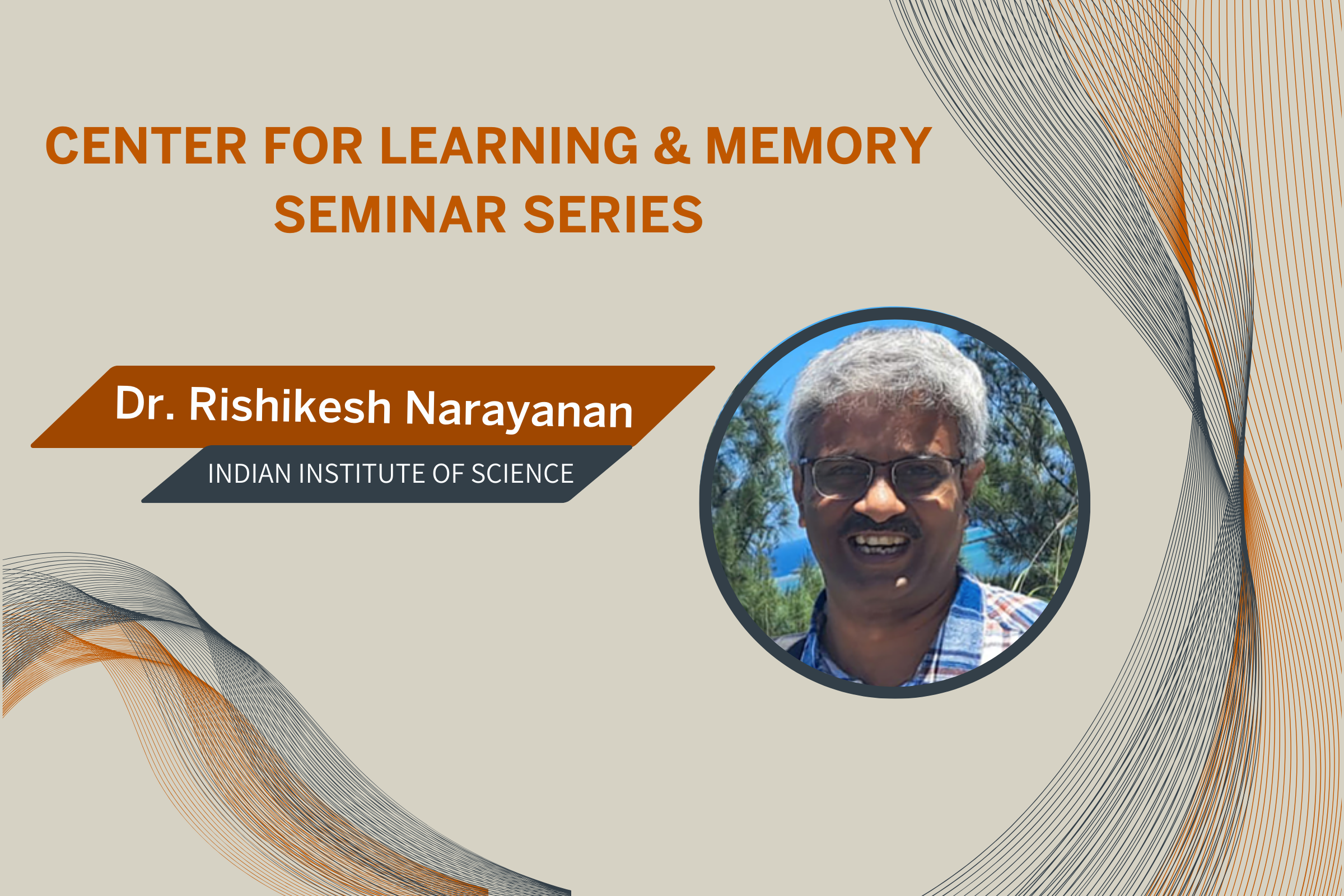
A single neuron is a complex adaptive system
Center for Learning & Memory Seminar Series
3:00 pm – 4:00 pm
Speaker(s): Rishikesh Narayanan - Indian Institute of Science
Nov
4
2024
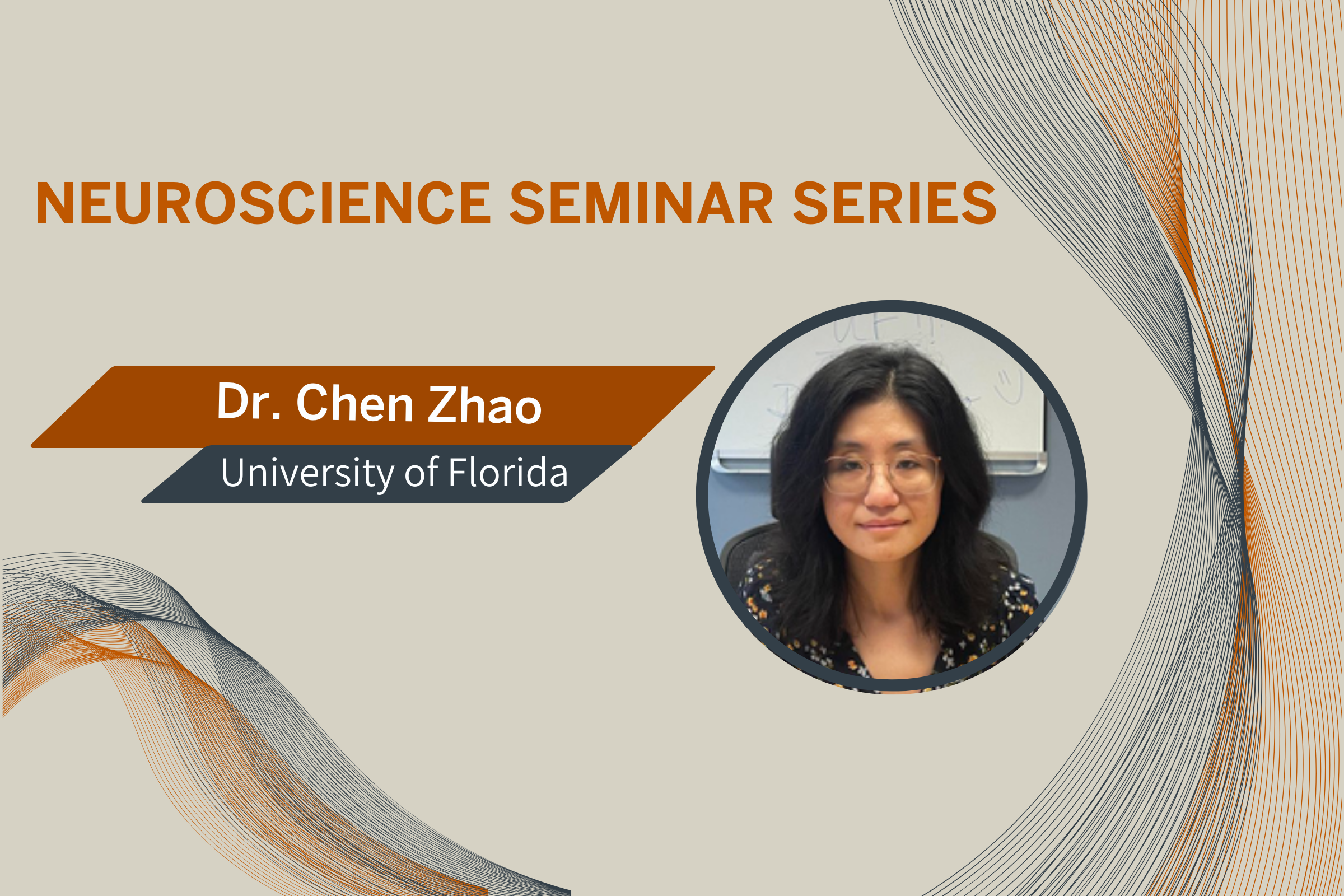
Determining native-like membrane protein structures from cell membrane-derived vesicles.
2024-25 Neuroscience Seminar Series
3:00 pm – 4:00 pm
Speaker(s): Chen Zhao - University of Florida
Dec
9
2024
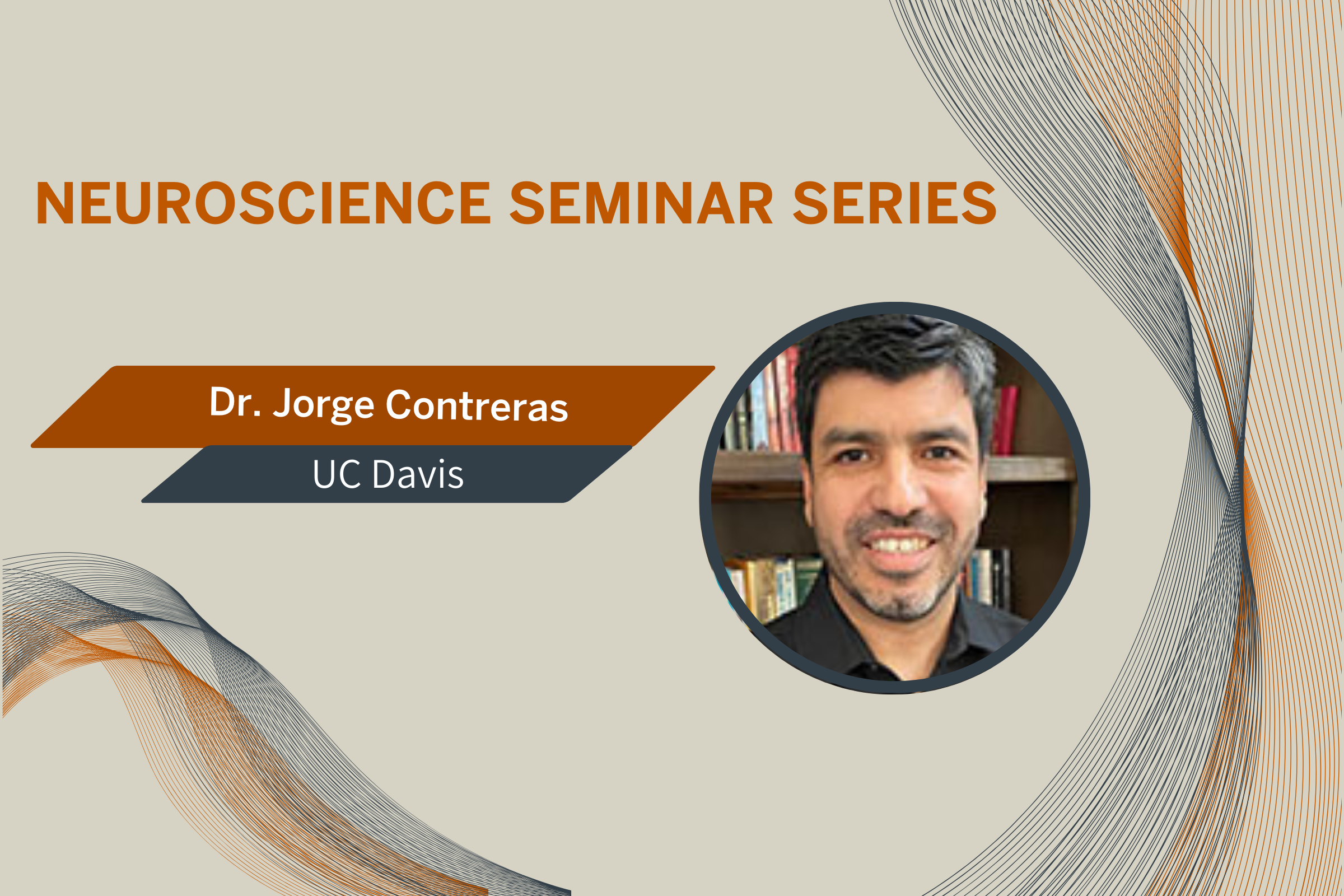
Large Pore Connexin Hemichannels: Channels or Transporters?
2024-25 Neuroscience Seminar Series
3:00 pm – 4:00 pm
Speaker(s): Jorge E. Contreras - UC Davis
Jan
13
2025
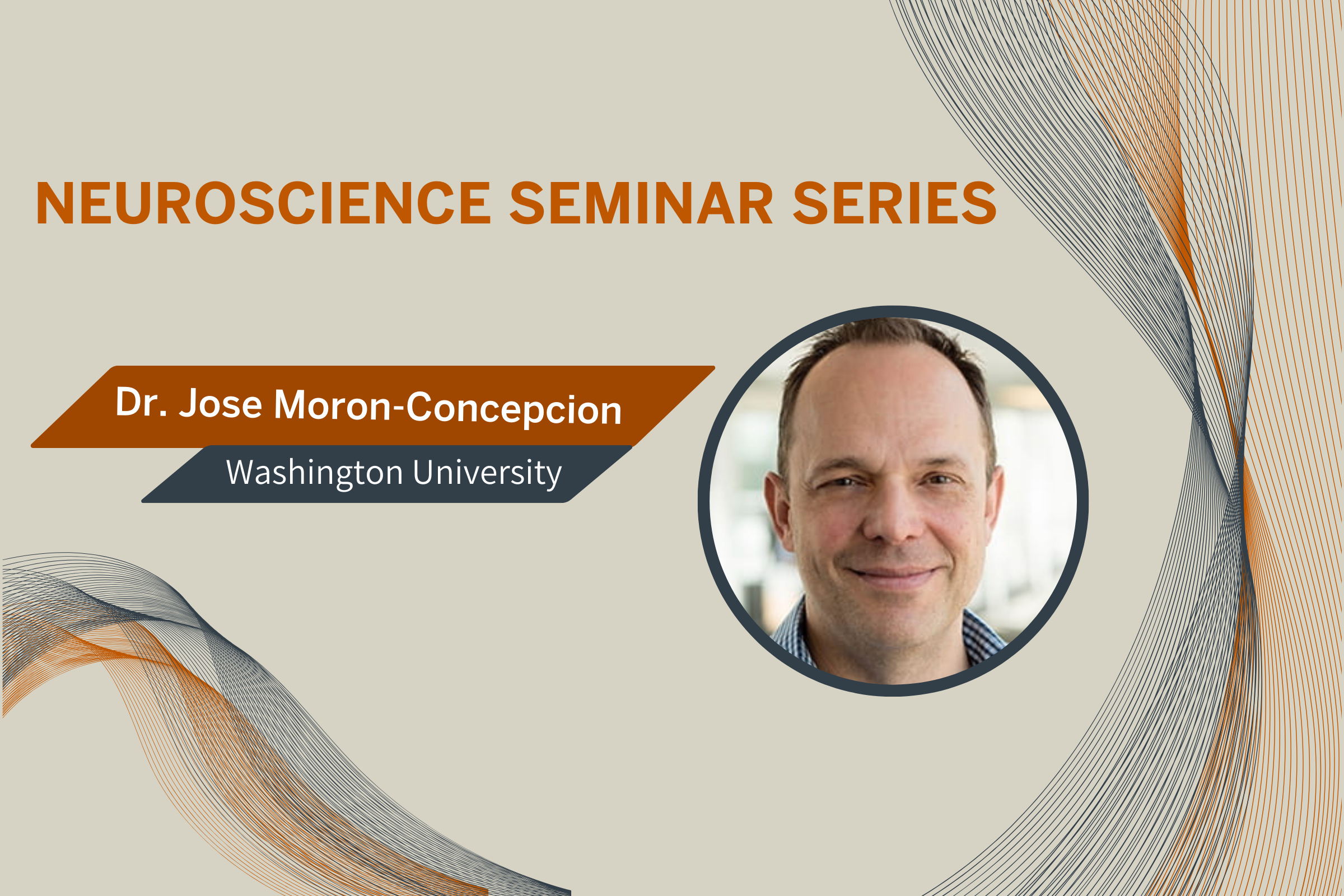
Role of the brain mesolimbic pathway in pain-induced anhedonia and opioid seeking.
2024-25 Neuroscience Seminar Series
3:00 pm – 4:00 pm
Speaker(s): Jose Moron-Concepcion - Washington University
Jan
27
2025
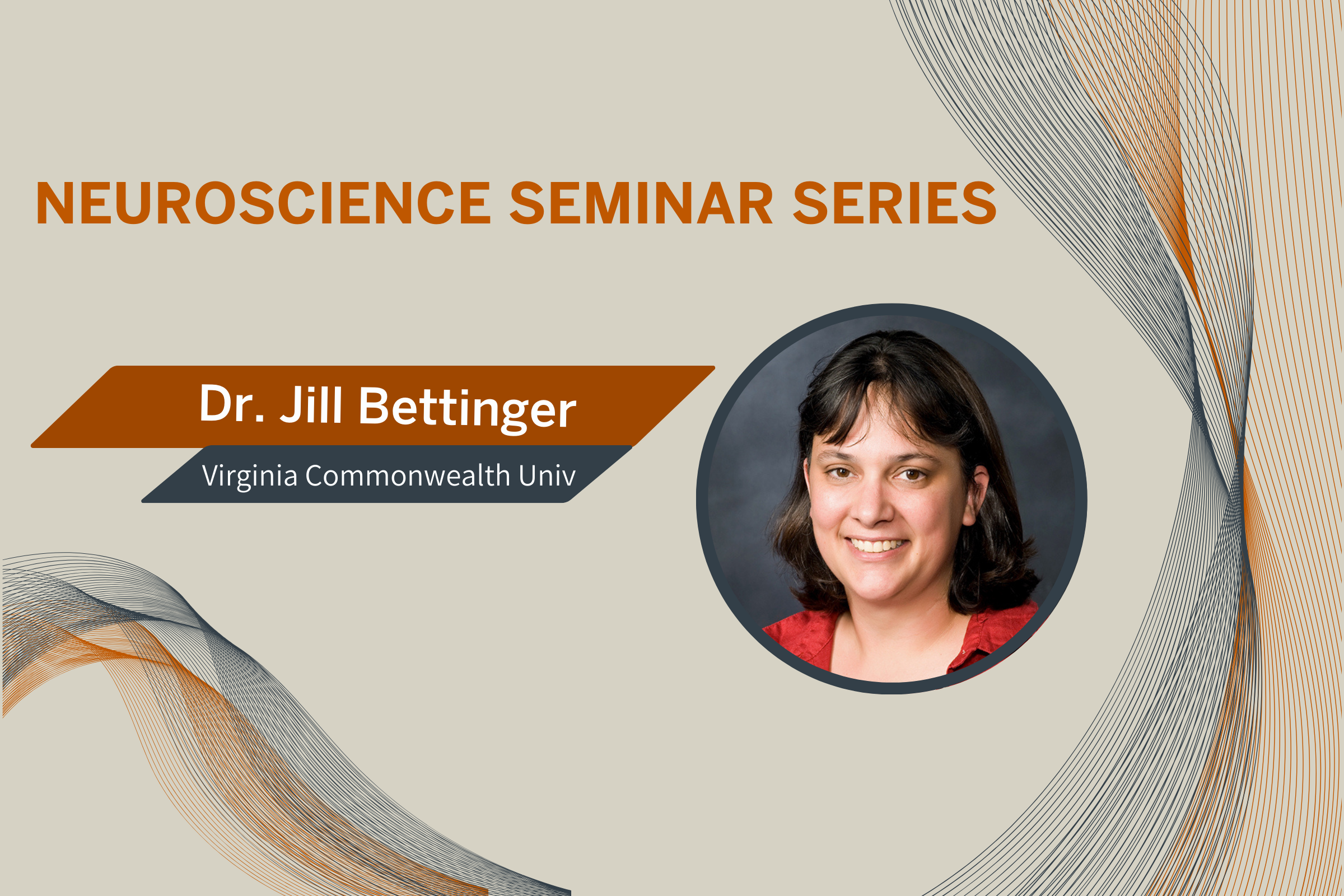
Alcohol induced memory deficits: State-dependent learning in C. elegans
2024-25 Neuroscience Seminar Series
3:00 pm – 4:00 pm
Speaker(s): Jill Bettinger - Virginia Commonwealth University
Feb
10
2025
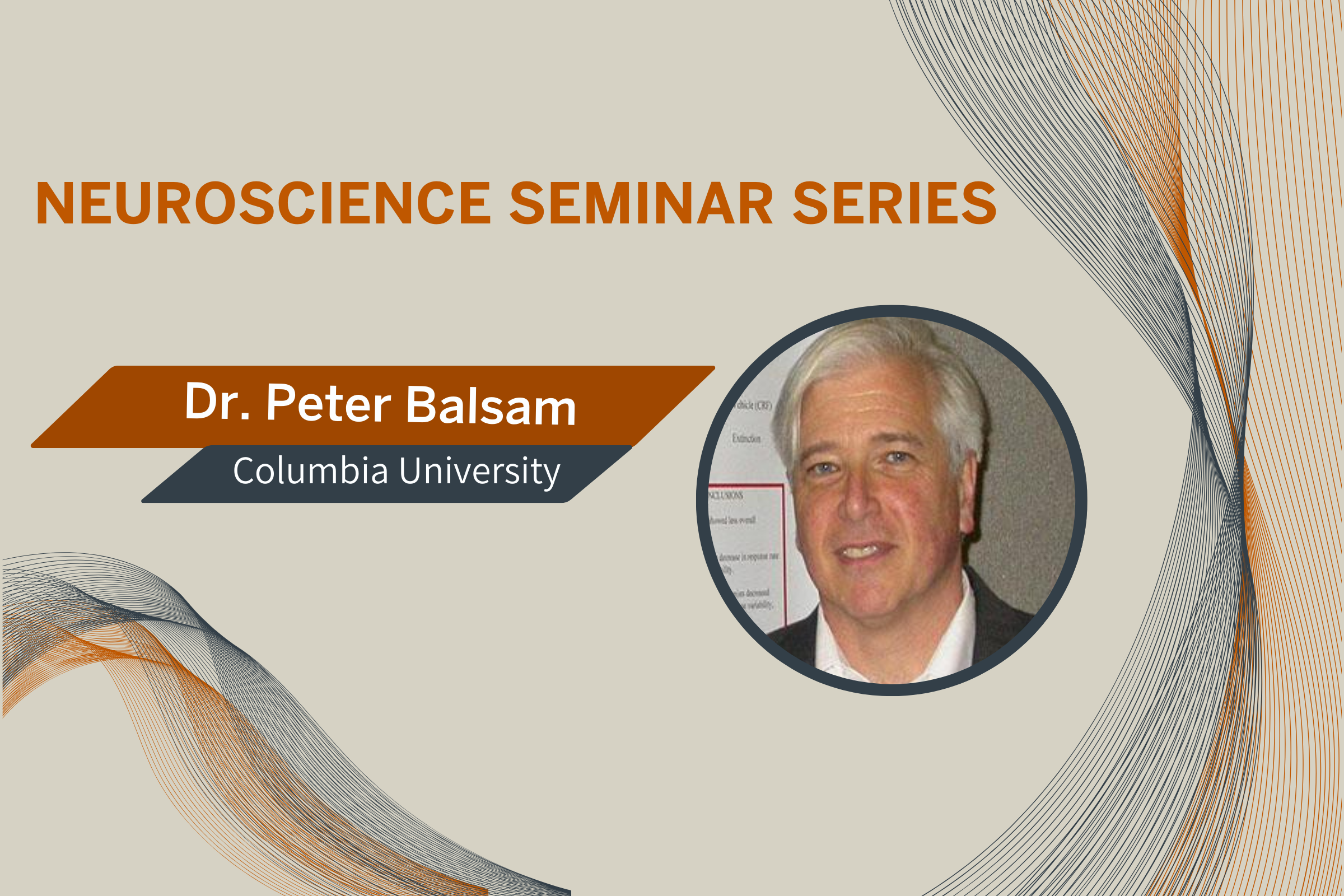
It's all how you look at it: Construal is reflected in brain and behavior
2024-25 Neuroscience Seminar Series
3:00 pm – 4:00 pm
Speaker(s): Peter Balsam - Columbia University
Feb
17
2025
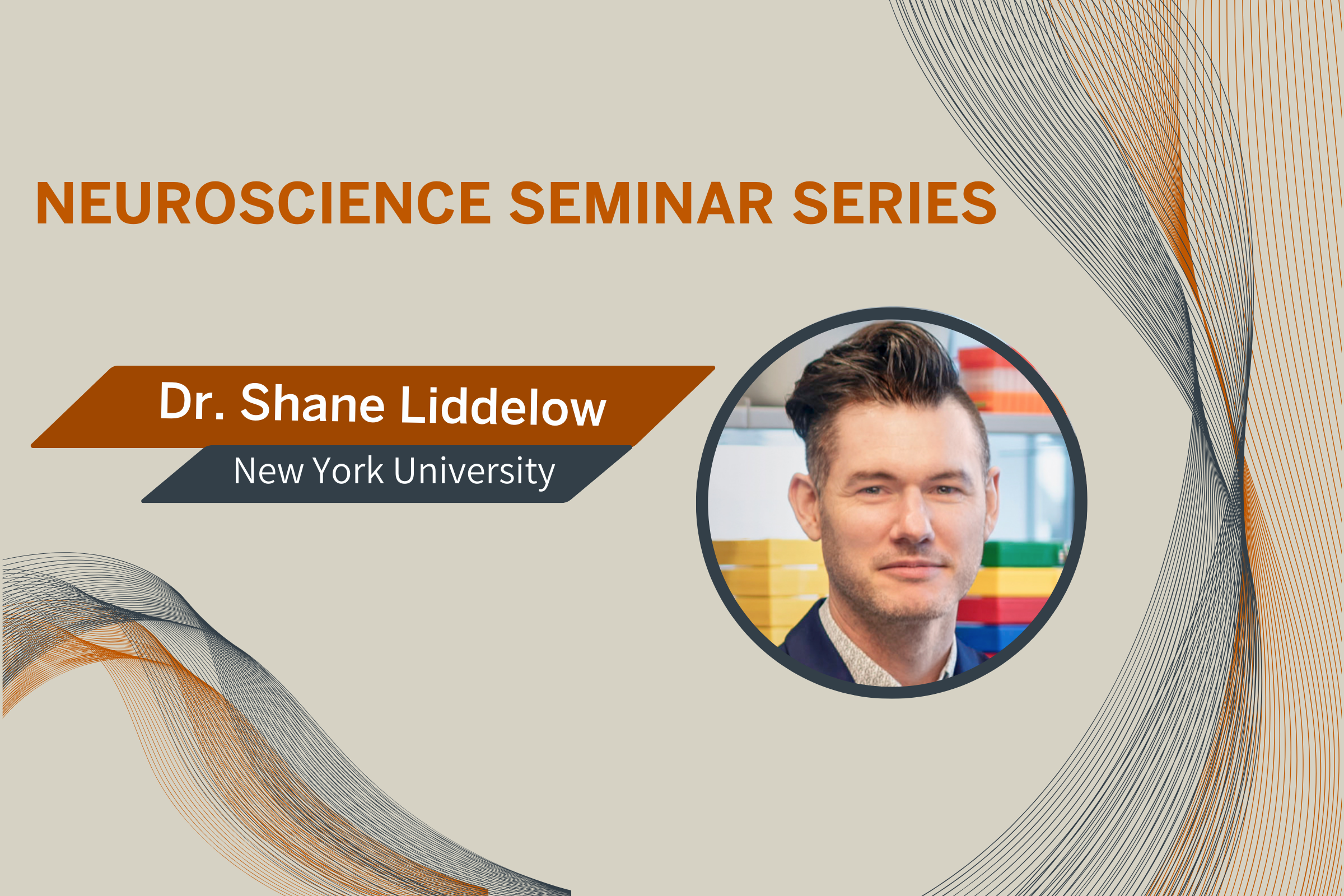
Are astrocytes the key to understanding neurodegenerative disease?
2024-25 Neuroscience Seminar Series
3:00 pm – 4:00 pm
Speaker(s): Shane Liddelow - New York University
Mar
24
2025
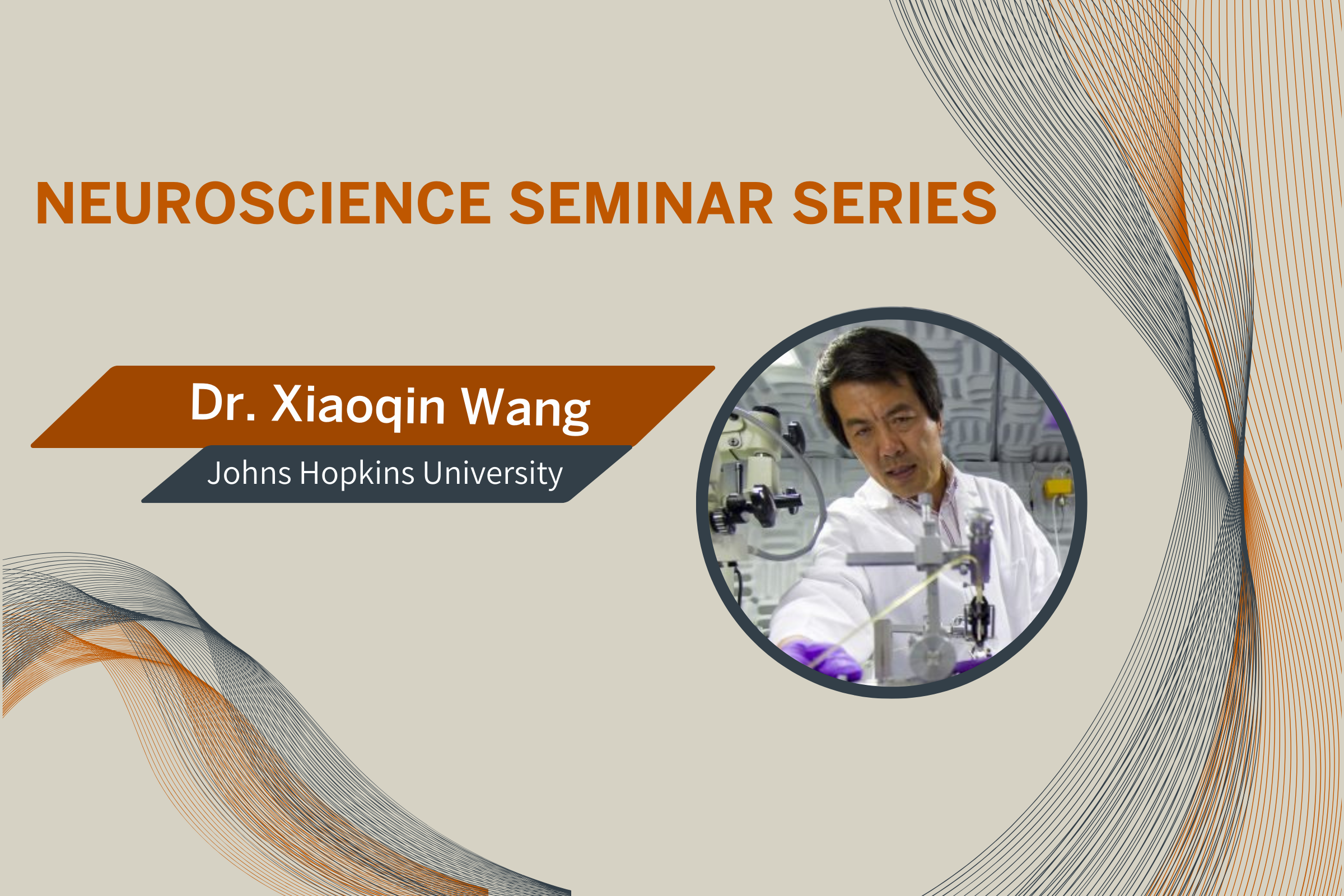
Computational Principles of Primate Auditory Cortex
2024-25 Neuroscience Seminar Series
3:00 pm – 4:00 pm
Speaker(s): Xiaoqin Wang - Johns Hopkins University
Mar
31
2025
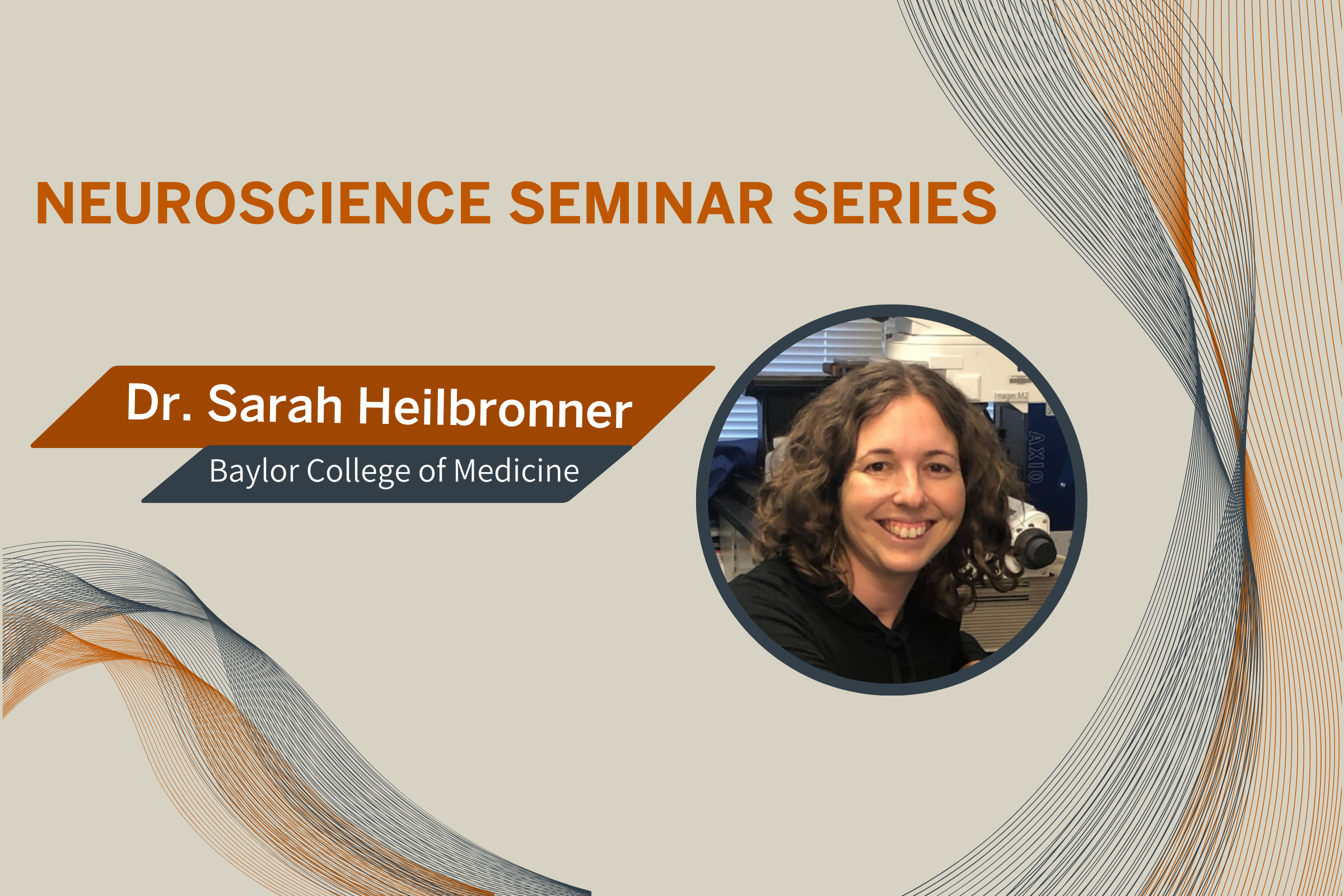
Mapping and modulating human brain connections
2024-25 Neuroscience Seminar Series
3:00 pm – 4:00 pm
Speaker(s): Sarah Heilbronner - Baylor College of Medicine
Apr
14
2025
Mechanisms of chronic pain: lessons from studies of human DRG and spinal cord
2024-25 Neuroscience Seminar Series
3:00 pm – 4:00 pm
Speaker(s): Ted Price - UT Dallas