Is the brain mechanistically identifiable?
Nov
2
2026
Nov
2
2026
Description
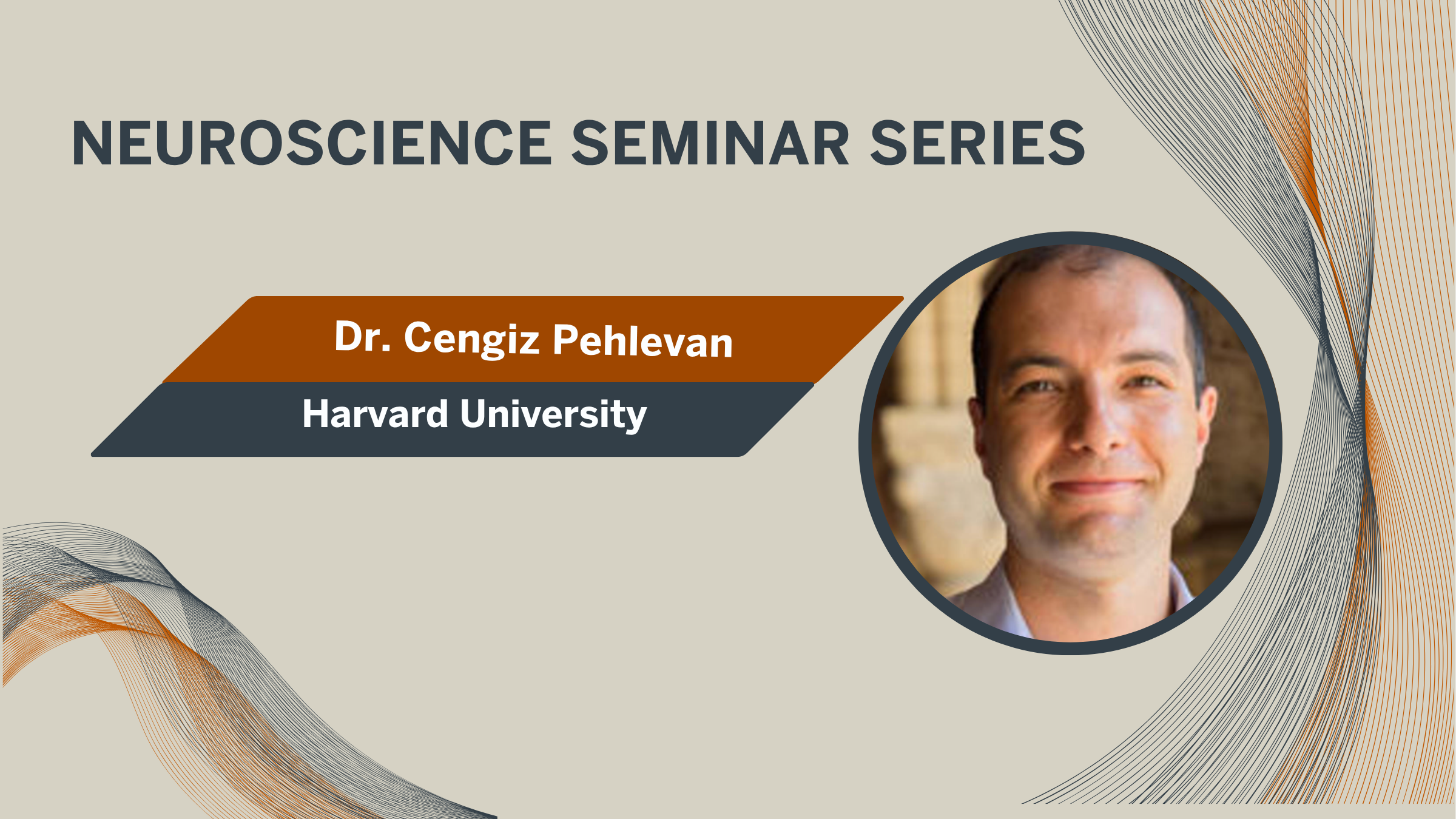
Dr. Cengiz Pehlevan is an associate professor of Applied Mathematics at Harvard University.
Neuroscience seeks mechanistic explanations of computation. A popular route is to fit dynamical-systems models to tasks or large-scale recordings and read the mechanism off the fitted model. But when can we trust what we read? I will argue that mechanistic identifiability is a central bottleneck. Partial observation and model mismatch allow a data-constrained model to match recorded activity while recovering the wrong circuit mechanism: using temporal integration as an example, I will show how heavy subsampling makes line-attractor and functionally feedforward implementations look deceptively alike to a learner. Rather than betting on a single fitted solution, I will advocate working with families of task-compatible solutions. Iterative Neural Similarity Deflation surfaces alternative solutions by penalizing reuse of previously discovered activity patterns. A second approach introduces a control parameter for how strongly learning restructures recurrent connectivity, yielding a controlled interpolation between reservoir-like and structured regimes and a theory linking disorder and structure to population dynamics, single-neuron statistics, and temporal generalization.
Hosted by Dr. Thibaud Taillefumier
To subscribe to our Seminars Series mailing list, please visit https://utlists.utexas.edu/sympa/info/neu-seminars and click on "Subscribe" in the left-hand column.
Please contact Neuro.Seminar.Series@austin.utexas.edu with any questions.
Other Events in This Series
Apr
21
2025
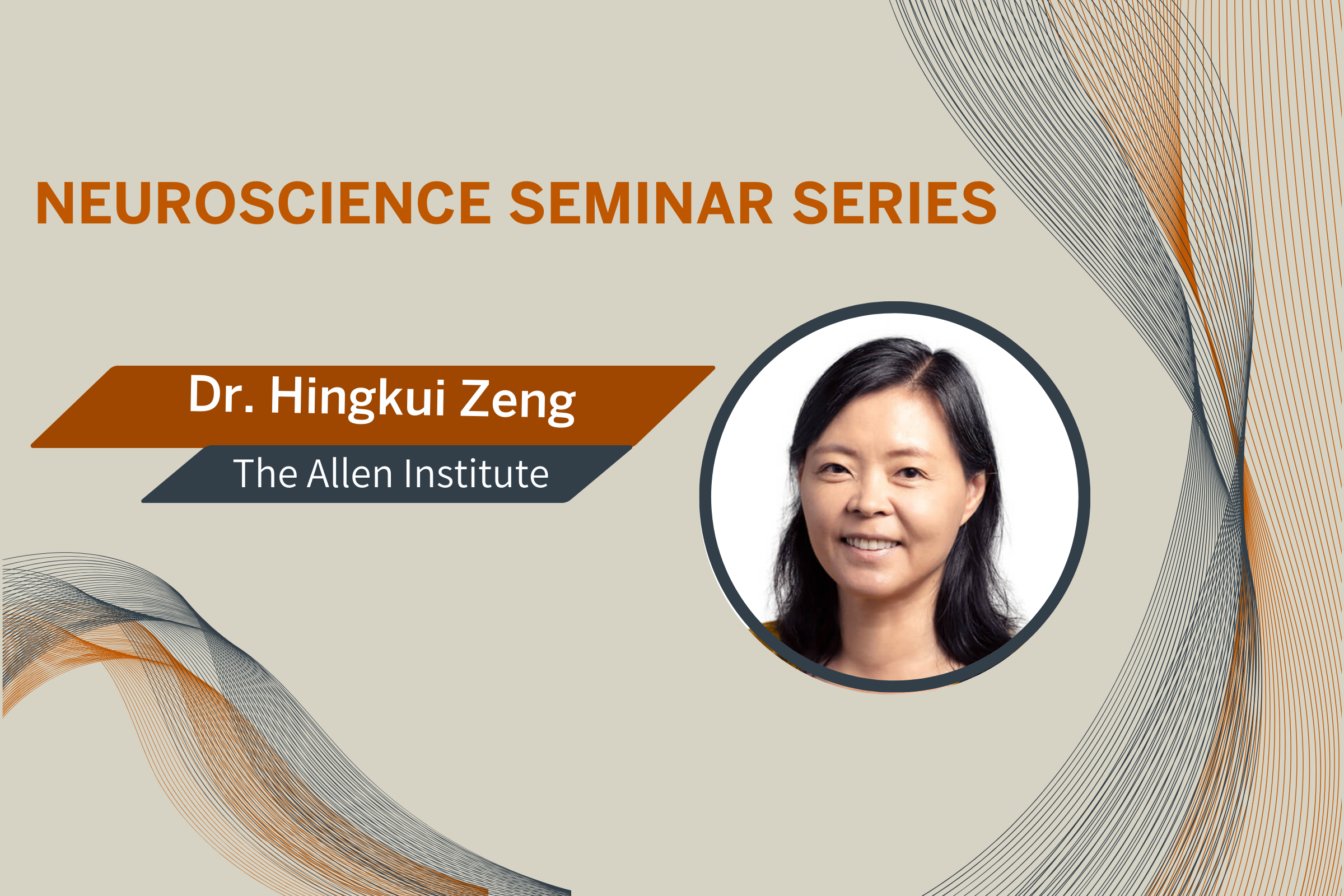
Dynamic changes of brain cell types in development and aging
2024-25 Neuroscience Seminar Series
3:00 pm – 4:00 pm
Speaker(s): Hongkui Zeng - Allen Institute for Brain Science
Apr
28
2025
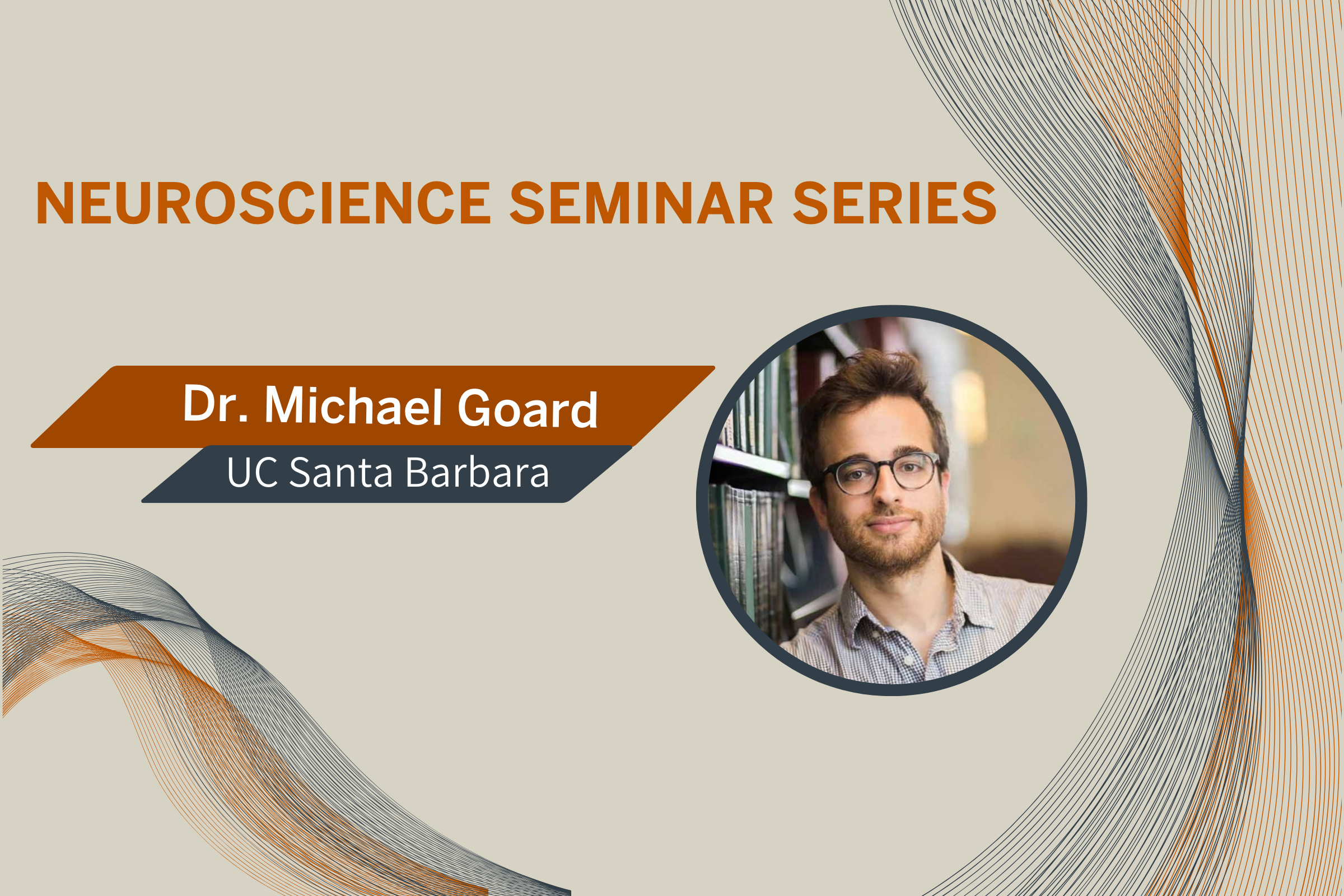
Modulation of hippocampal spine dynamics, dendritic processing, and spatial coding by ovarian hormones
2024-25 Neuroscience Seminar Series
3:00 pm – 4:00 pm
Speaker(s): Michael Goard - UC Santa Barbara
Sep
15
2025
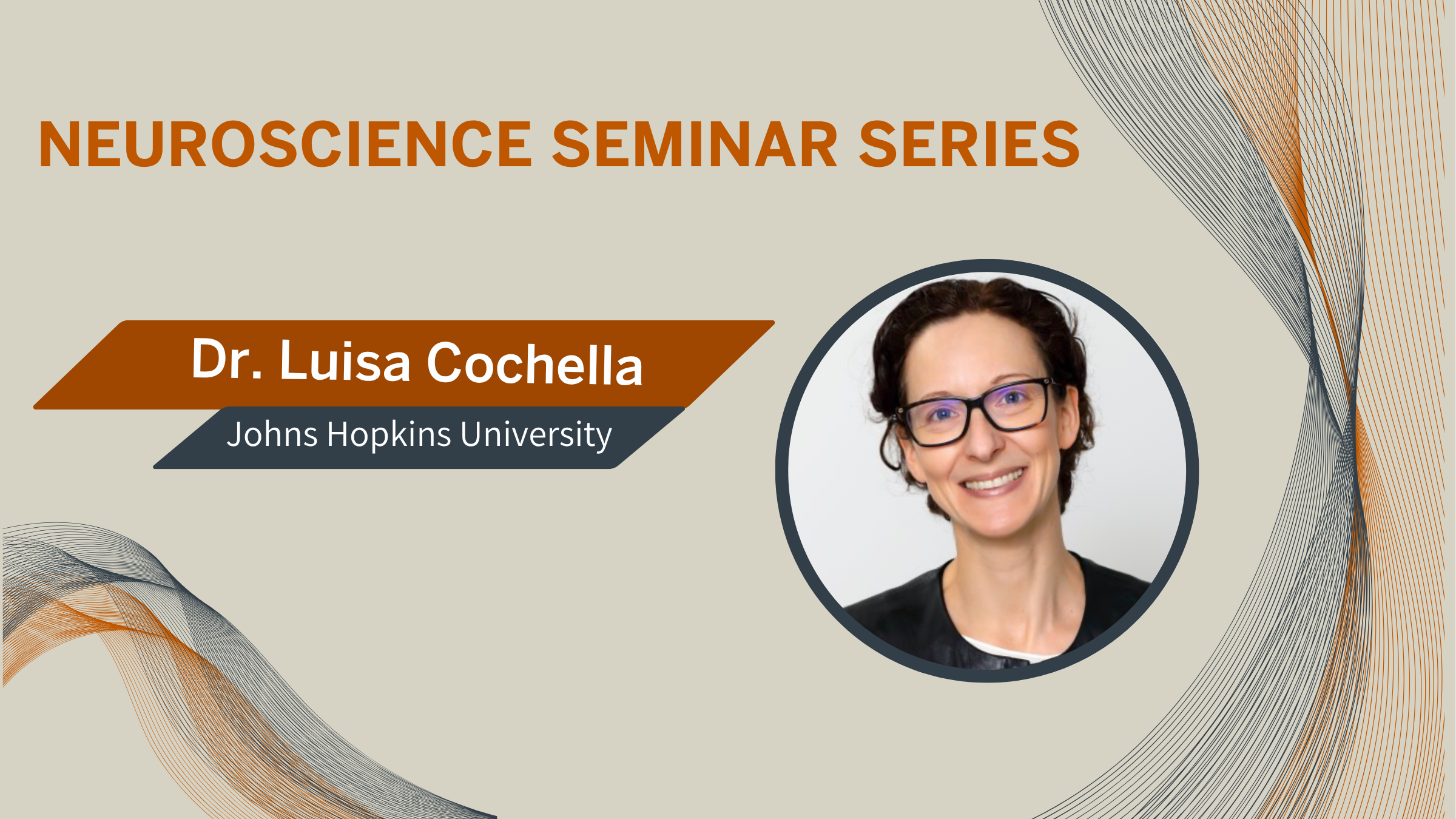
Transcriptional and post-transcriptional mechanisms of neuronal diversification
2025-26 Neuroscience Seminar Series
3:00 pm – 4:00 pm
Speaker(s): Luisa Cochella - Johns Hopkins University
Sep
29
2025
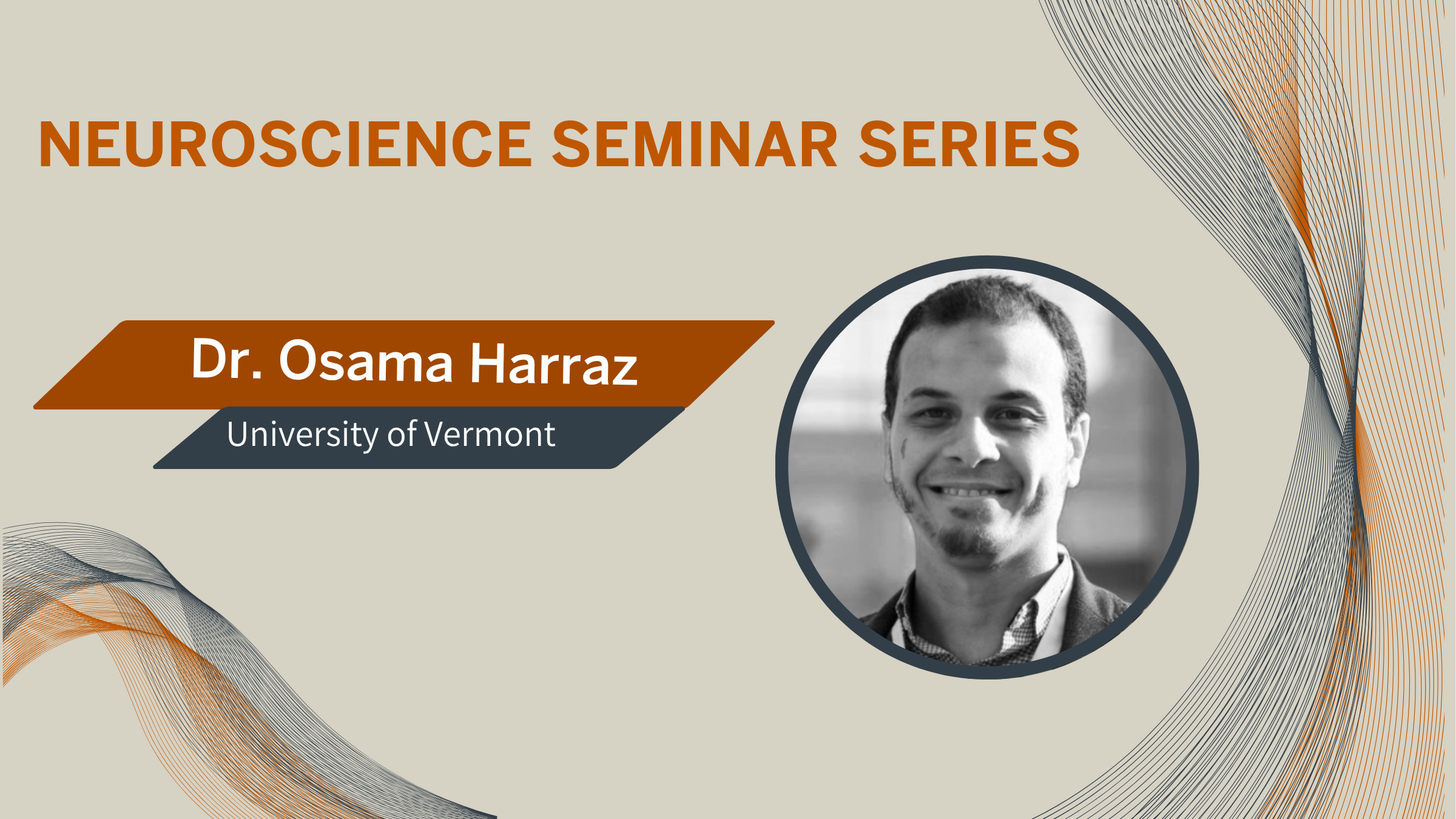
Piezo1: Sensing Forces to Steer Brain Vascular Dynamics
2025-26 Neuroscience Seminar Series
3:00 pm – 4:00 pm
Speaker(s): Osama Harraz - University of Vermont
Oct
20
2025
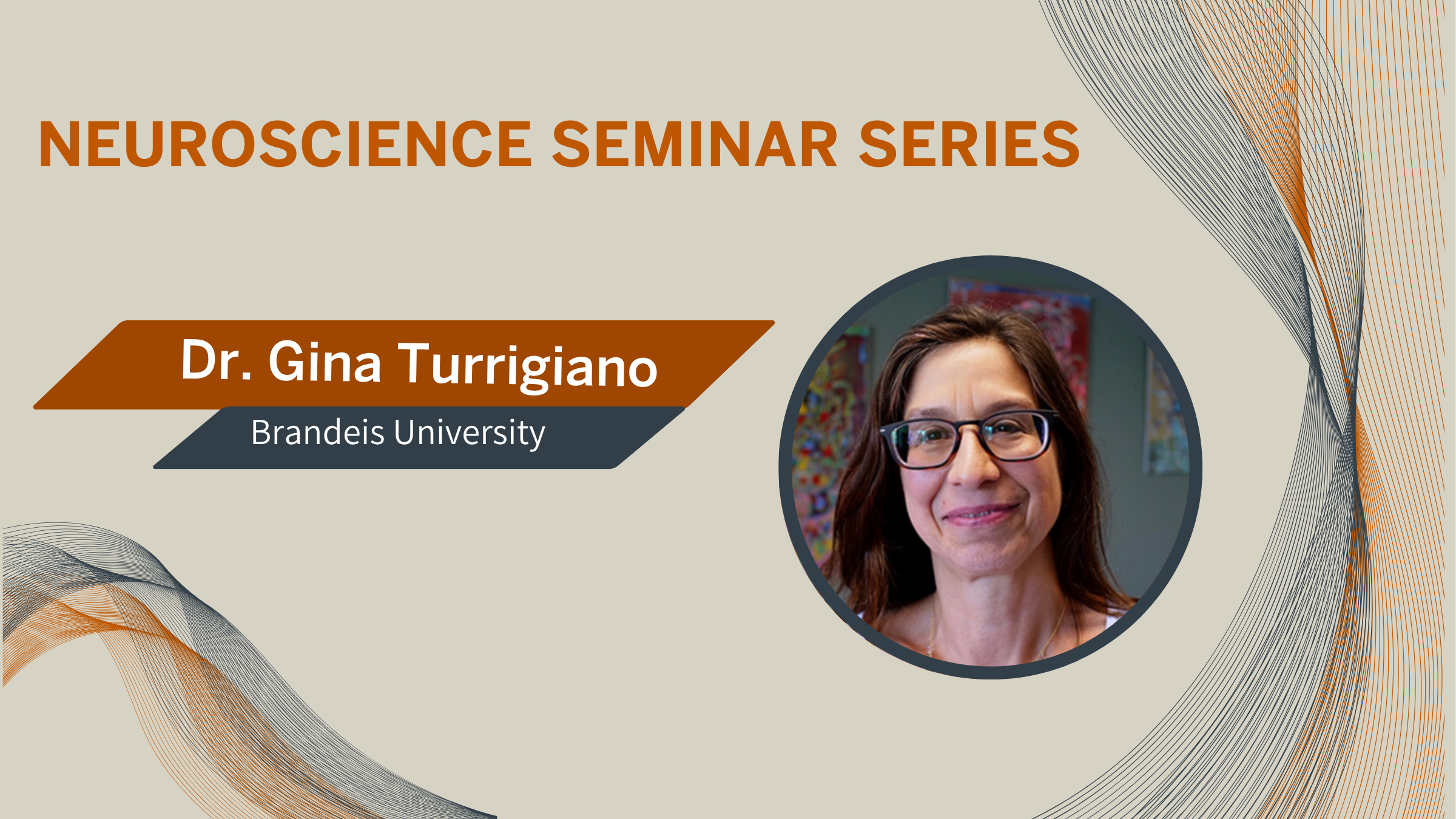
Keeping your brain in balance: Homeostatic regulation of network function
2025-26 Neuroscience Seminar Series
3:00 pm – 4:00 pm
Speaker(s): Gina Turrigiano - Brandeis University
Oct
27
2025
Interneuron-specific gene replacement therapy for Dravet Syndrome: Preclinical Developments
2025-26 Neuroscience Seminar Series
3:00 pm – 4:00 pm
Speaker(s): Franck Kalume - University of Washington

Nov
3
2025
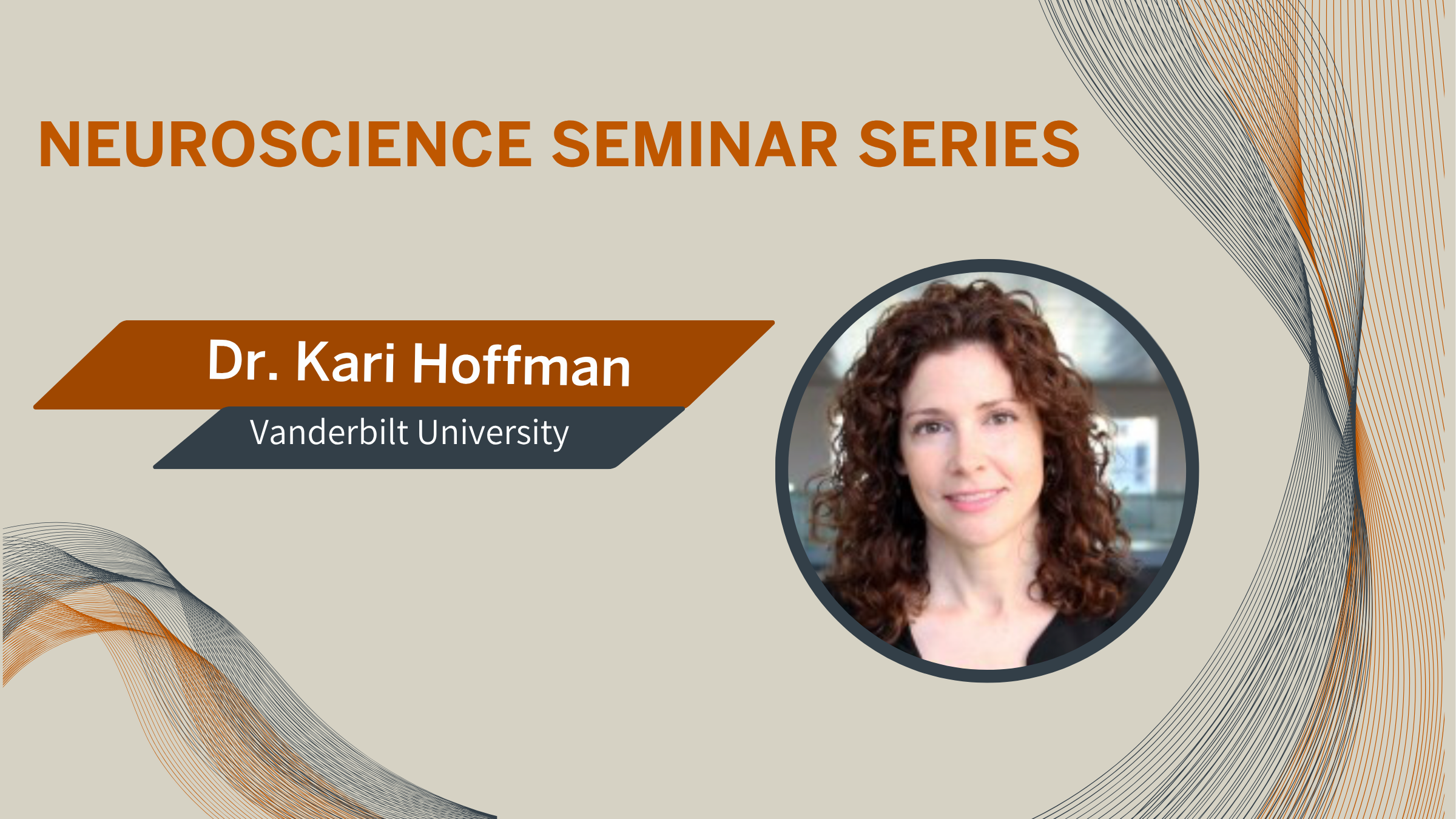
Neural circuit dynamics underlying learning and memory reorganization in freely moving primates
2025-26 Neuroscience Seminar Series
3:00 pm – 4:00 pm
Speaker(s): Kari Hoffman - Vanderbilt University
Nov
10
2025
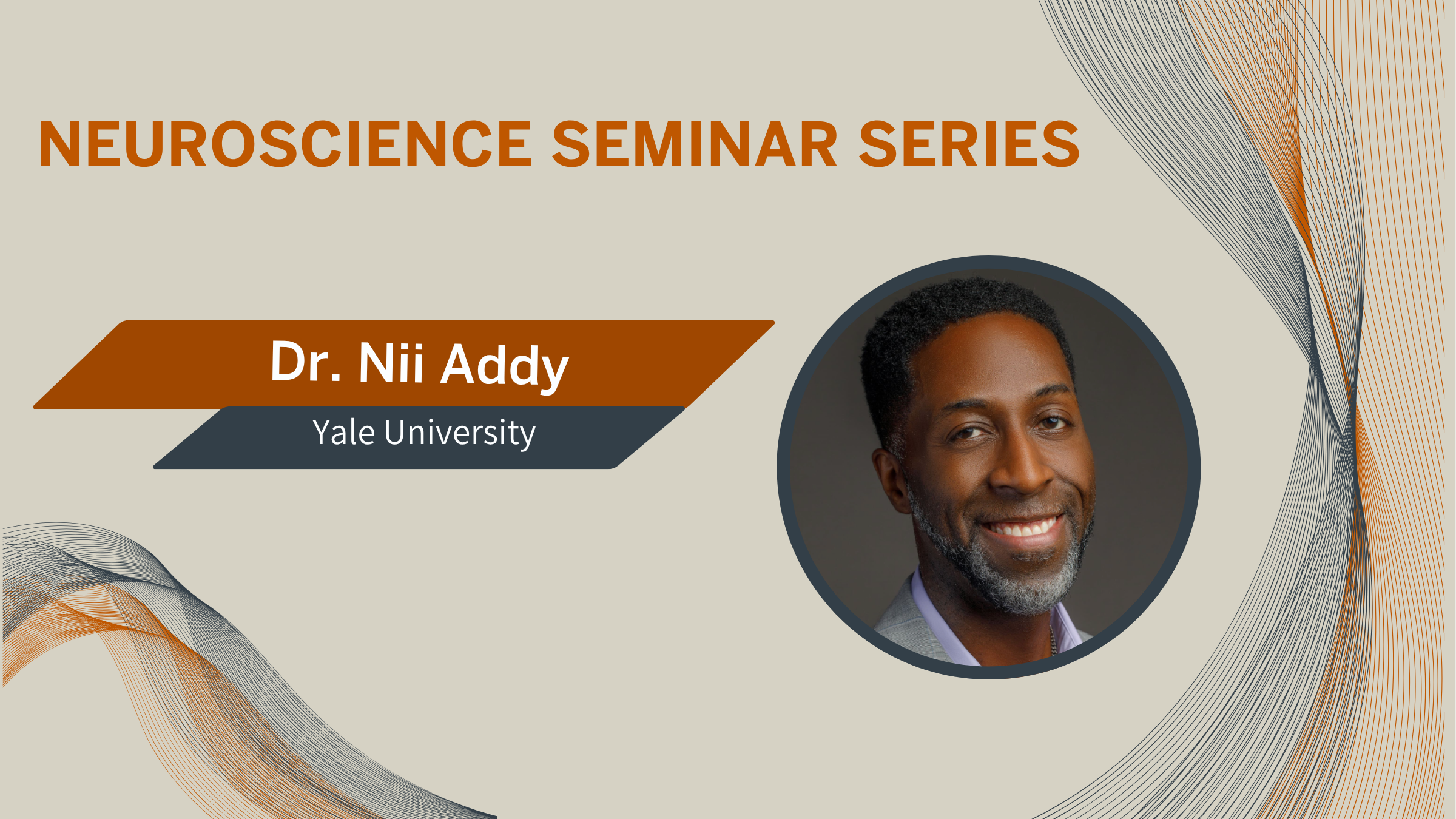
Addressing Substance Use and Mood Disorders through L-type calcium channel investigations and with Advocacy and Social Justice Tools
2025-26 Neuroscience Seminar Series
3:00 pm – 4:00 pm
Speaker(s): Nii Addy - Yale University
Dec
8
2025
The biology of fatigue: lessons from C. elegans
2025-26 Neuroscience Seminar Series
3:00 pm – 4:00 pm
Speaker(s): David Raizen - University of Pennsylvania

Jan
12
2026
Unlocking the Metabolic Mysteries of Sleep
2025-26 Neuroscience Seminar Series
3:00 pm – 4:00 pm • In Person
Speaker(s): Amita Seghal - University of Pennsylvania